Dismiss
Innovación
Una plataforma construida para la IA
Unificado, automatizado y listo para convertir los datos en inteligencia.
Dismiss
16-18 juni, Las Vegas
Pure//Accelerate® 2026
Ontdek hoe u de ware waarde van uw gegevens kunt ontsluiten.
VDI frente a RDS frente a DaaS: Soluciones de escritorio remoto desmitificadas
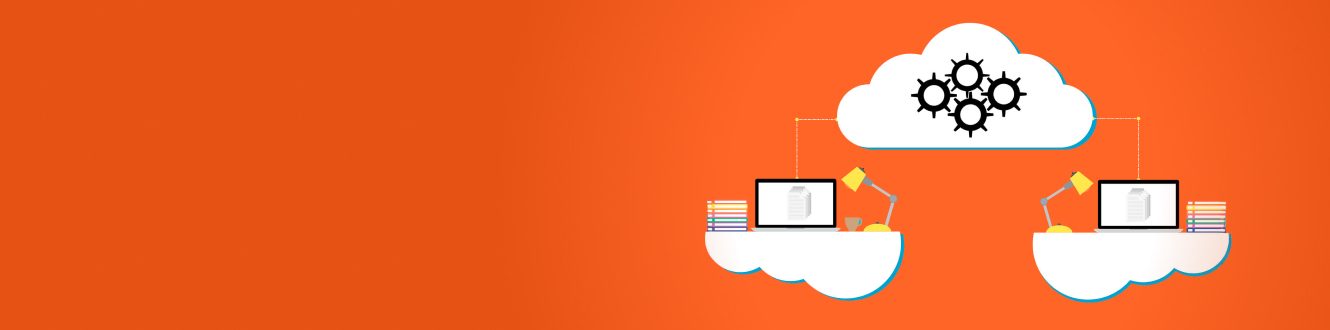
El aumento de la fuerza laboral híbrida ha generado una creciente necesidad de que las empresas apoyen de forma segura a los trabajadores remotos para lograr agilidad operativa y la capacidad de acceder a un grupo de talento global. La infraestructura de escritorio virtual (VDI), el servicio de escritorio remoto (RDS) y el escritorio como servicio (DaaS) son tecnologías clave que admiten a la fuerza laboral remota.
Si bien todos se consideran servicios de virtualización de escritorios, tienen algunas diferencias clave que vale la pena explorar. Comparemos y contrastemos VDI, RDS y DaaS.
¿Qué es la VDI?
La VDI es una tecnología que permite a los usuarios acceder e interactuar con un sistema operativo de escritorio alojado en una máquina virtual (VM) que se ejecuta en un servidor en un centro de datos. En lugar de ejecutar el sistema operativo y las aplicaciones en una computadora local, el entorno de escritorio se aloja virtualmente y los usuarios pueden acceder a él de forma remota.
Además de las VM, otros componentes clave de la VDI incluyen:
- Hipervisores: Este es el software que permite la creación y administración de máquinas virtuales. Permite que varios escritorios virtuales se ejecuten en un solo servidor físico.
- Agentes de conexión: El agente de conexiones es responsable de dirigir las conexiones de usuarios al escritorio virtual adecuado. Administra la asignación de escritorios virtuales a los usuarios y garantiza una distribución equilibrada de los recursos.
- Protocolo de visualización remota: Este es el protocolo de comunicaciones que permite la transferencia de actualizaciones de pantalla, entradas de teclado y mouse entre los dispositivos de los usuarios y el escritorio virtual. Los protocolos comunes incluyen el Protocolo de escritorio remoto (RDP) y PCoIP (PC sobre IP).
VDI ofrece varios beneficios, incluida la administración centralizada, la seguridad mejorada y la capacidad de acceder a escritorios desde varios dispositivos. Se utiliza comúnmente en entornos comerciales donde el control centralizado, la seguridad y la utilización eficiente de recursos son extremadamente importantes. Los usuarios pueden acceder a sus entornos de escritorio desde clientes delgados, PC tradicionales u otros dispositivos, lo que lo convierte en una solución flexible para organizaciones con diversos dispositivos de punto final.
¿Qué es RDS?
RDS es una tecnología de Microsoft que permite a los usuarios acceder y usar un entorno de escritorio de Windows de forma remota. Proporciona la infraestructura para permitir una comunicación segura entre los usuarios y un escritorio o aplicaciones basados en Windows Server. RDS se utiliza a menudo junto con VDI para ofrecer escritorios y aplicaciones remotas a los usuarios.
Los componentes clave de RDS incluyen:
- Host de sesión de escritorio remoto (RDSH): RDSH, anteriormente conocido como Terminal Server, es responsable de alojar sesiones y aplicaciones de Windows para usuarios remotos. Permite que varios usuarios inicien sesión en el servidor simultáneamente y ejecuten sus sesiones de escritorio o aplicaciones individuales.
- Corredor de conexión de escritorio remoto (corredor de conexión RD): Este componente es responsable de dirigir y equilibrar las conexiones de usuarios al servidor host de sesión adecuado. Garantiza que los usuarios estén conectados a sus sesiones existentes y puedan distribuir la carga a través de varios servidores en una granja.
- Acceso web a escritorio remoto (RD Web Access): Este portal basado en la web permite a los usuarios acceder a sus escritorios y aplicaciones remotas a través de un navegador web. Proporciona una interfaz fácil de usar para iniciar aplicaciones o conectarse a escritorios virtuales.
- Puerta de enlace de escritorio remoto (puerta RD): Este componente permite el acceso remoto seguro a los recursos de RDS a través de Internet mediante el uso del protocolo de escritorio remoto (RDP) a través de HTTPS. Actúa como puerta de enlace, proporcionando una conexión segura para usuarios remotos.
- Host de virtualización de escritorio remoto (host de virtualización de RD): Este componente se utiliza junto con Hyper-V para proporcionar capacidades de VDI. Permite crear y administrar máquinas virtuales para usuarios individuales, lo que proporciona un escritorio virtual personalizado.
RDS se utiliza ampliamente en entornos comerciales en los que las organizaciones necesitan proporcionar acceso remoto a aplicaciones y escritorios basados en Windows. Ayuda a centralizar la administración de escritorios, mejorar la seguridad y garantizar una experiencia de usuario consistente en diferentes dispositivos. RDS está disponible en varias ediciones de Windows Server, con características y capacidades que varían según la edición específica.
¿Qué es DaaS? Comprender el escritorio como servicio
Definición y arquitectura nativa en la nube
Desktop as a service (DaaS) representa la evolución de la virtualización de escritorios en un modelo basado en suscripción nativo en la nube, en el que los proveedores externos ofrecen escritorios virtuales a través de Internet. DaaS proporciona funcionalidad de VDI sin la propiedad de la infraestructura, los gastos generales de administración o la inversión de capital, lo que transforma la entrega de escritorios en un gasto operativo.
DaaS aprovecha la infraestructura de nube de hiperescala de proveedores como AWS, Microsoft Azure o Google Cloud para ofrecer recursos de escritorio elásticos y según demanda. Este enfoque centrado en la nube permite capacidades imposibles con soluciones en las instalaciones, que incluyen disponibilidad global, escalabilidad instantánea y precios basados en el consumo.
Modelos de implementación de DaaS
DaaS público: Los principales proveedores de nube ofrecen soluciones de DaaS como Amazon WorkSpaces, Azure Virtual Desktop (anteriormente Windows Virtual Desktop) y Google Cloud VDI. Estas plataformas multiusuario proporcionan economías de escala, infraestructura global y servicios integrados en la nube.
DaaS privado: Esta infraestructura de nube dedicada para organizaciones individuales proporciona beneficios en la nube mientras mantiene el aislamiento. Es adecuado para empresas con estrictos requisitos de cumplimiento o necesidades de seguridad únicas.
DaaS híbrido: Al combinar la infraestructura en las instalaciones con los recursos de la nube, la DaaS híbrida permite a las organizaciones mantener cargas de trabajo sensibles localmente mientras aprovechan la elasticidad de la nube para escalar. Este modelo proporciona flexibilidad de migración y aborda las inquietudes de soberanía de datos.
Componentes de la arquitectura DaaS
Infraestructura multiusuario: Los proveedores de DaaS aprovechan la infraestructura compartida en varios clientes, utilizando el aislamiento lógico para mantener los límites de seguridad y rendimiento. Este multiarrendamiento permite a los proveedores lograr economías de escala imposibles con infraestructura dedicada.
Grupos de recursos Elastic: La arquitectura nativa en la nube permite el aprovisionamiento y desaprovisionamiento instantáneos de recursos de escritorio. Las organizaciones pueden escalar de decenas a miles de escritorios en minutos, pagando solo por los recursos activos.
Redes de borde global: Los proveedores de DaaS utilizan redes de entrega de contenido y ubicaciones periféricas para minimizar la latencia. Los usuarios se conectan al punto de presencia más cercano, lo que garantiza un rendimiento óptimo, independientemente de la ubicación geográfica.
Pila de seguridad integrada: Las plataformas DaaS modernas incluyen características de seguridad incorporadas, como cifrado en reposo y en tránsito, protección contra DDoS, administración de identidad y certificaciones de cumplimiento. Este modelo de responsabilidad compartida reduce la carga de seguridad para los equipos de TI de los clientes.
Ventajas y beneficios de DaaS
Cero inversión de capital: DaaS elimina los costos iniciales de infraestructura, lo que convierte la entrega de escritorios en gastos operativos mensuales predecibles. Este modelo OPEX puede ayudar a mejorar el flujo de caja y eliminar los ciclos de actualización de tecnología.
Escalabilidad instantánea: La elasticidad de la nube permite a las organizaciones aprovisionar cientos de escritorios en minutos para trabajadores estacionales, contratistas o fusiones y adquisiciones. Escalar hacia abajo es igualmente simple, lo que garantiza que nunca pague por la capacidad no utilizada.
Menor carga de TI: El proveedor de servicios se encarga de la administración de la infraestructura, incluido el mantenimiento de hardware, la planificación de la capacidad, la recuperación ante desastres y las actualizaciones de la plataforma. Esto permite que los equipos de TI se enfoquen en iniciativas estratégicas en lugar de en la administración de la infraestructura.
Accesibilidad global: DaaS proporciona experiencias de escritorio consistentes desde cualquier ubicación con conectividad a Internet. La georedundancia incorporada y las múltiples zonas de disponibilidad garantizan una alta disponibilidad y recuperación ante desastres.
Rendimiento predecible: Los acuerdos de nivel de servicio (SLA, Service Level Agreement) garantizan métricas de tiempo de actividad y rendimiento. Los Proveedores mantienen el exceso de capacidades y la conmutación por error automatizada, lo que ofrece fiabilidad difícil de lograr con la infraestructura en las instalaciones.
Desafíos y consideraciones de DaaS
Costos de suscripción continua: Mientras elimina los gastos de capital, los cargos mensuales de DaaS pueden superar el TCO local para implementaciones estables y a largo plazo. Las organizaciones deben modelar cuidadosamente los costos en función de los patrones de uso.
Dependencia de Internet: DaaS requiere conectividad a Internet confiable y de alto ancho de banda. Las organizaciones con conectividad deficiente o ubicaciones remotas pueden experimentar problemas de rendimiento que afectan la productividad del usuario.
Inquietudes sobre la soberanía de datos: El almacenamiento de datos en la infraestructura de la nube pública plantea problemas de cumplimiento y soberanía para ciertas industrias y regiones geográficas. Es fundamental comprender dónde residen los datos y las reglamentaciones aplicables.
Bloqueo del proveedor: Migrar entre prestadores de DaaS o volver a la infraestructura en las instalaciones puede ser complejo y costoso. Las organizaciones deben evaluar las estrategias de salida antes de comprometerse con un proveedor.
Personalización limitada: Las plataformas de varios inquilinos pueden restringir ciertas configuraciones o personalizaciones disponibles con soluciones en las instalaciones. Las organizaciones con requisitos únicos deben verificar las capacidades de la plataforma.
Costo total de propiedad de DaaS
El TCO de DaaS depende de los patrones de uso, las características seleccionadas y los precios de los proveedores:
Costos mensuales por usuario:
- Escritorio básico (2 vCPU, 4GB de RAM): $25-$35
- Escritorio estándar (2 vCPU, 8GB de RAM): Entre $35 y $50
- Escritorio de usuario avanzado (4 vCPU, 16GB de RAM): $60-$100
- Estación de trabajo gráfica (habilitada para GPU): Entre $150 y $300
Costos mensuales adicionales:
- Almacenamiento (más allá de lo incluido): $0.10-$0.30 por GB
- Copia de seguridad y recuperación ante desastres: $5-$10 por usuario
- Asistencia premium: $10-$20 por usuario
- Funciones de seguridad y cumplimiento: $5-$15 por usuario
TCO de 5 años: Aproximadamente entre $2000 y $4000 por usuario (escritorio estándar)
Comparación integral: VDI frente a RDS frente a DaaS
Comparación del rendimiento y la experiencia del usuario
Características de rendimiento de VDI:
- Los recursos dedicados garantizan un rendimiento uniforme
- Admite la aceleración de GPU para aplicaciones con uso intensivo de gráficos
- Latencia típica: 10-30 ms en las instalaciones, 30-50 ms remoto
- Densidad del usuario: De 15 a 30 VM por servidor host
- Lo mejor para: Usuarios avanzados, desarrolladores, diseñadores, analistas de datos
Características de rendimiento de RDS:
- Los recursos compartidos pueden causar un rendimiento variable.
- Capacidades de aceleración de gráficos limitadas
- Latencia típica: 5-20 ms en las instalaciones, 25-40 ms remoto
- Densidad del usuario: 50 a 100 sesiones por servidor
- Lo mejor para: Trabajadores de tareas, productividad de oficina, aplicaciones estándar
Características de rendimiento de DaaS:
- Infraestructura optimizada en la nube con escalabilidad automática
- Opciones de GPU disponibles a precios premium
- Latencia típica: 20-60 ms según la ubicación
- Escalabilidad ilimitada con modelo de pago por uso
- Lo mejor para: Equipos distribuidos, trabajadores estacionales, escenarios BYOD
Análisis de seguridad y cumplimiento
Perfil de seguridad de VDI:
- Control total sobre la ubicación y el acceso a los datos
- Políticas de seguridad granulares por VM
- Admite entornos con espacio de aire y altamente restringidos
- Ideal para: HIPAA, PCI-DSS, clasificaciones gubernamentales
Perfil de seguridad de RDS:
- Administración de seguridad centralizada
- Aislamiento de sesión dentro del OS operativo compartido
- Actualizaciones y parches simplificados
- Adecuado para: Negocio general, requisitos de cumplimiento moderados
Perfil de seguridad de DaaS:
- Modelo de responsabilidad compartida con el proveedor
- Certificaciones de encriptación y cumplimiento incorporadas
- Actualizaciones y parches de seguridad automatizados
- Adecuado para: La mayoría de las aplicaciones comerciales, cumplimiento estándar
Comparación de escalabilidad y flexibilidad
Modelo de escalabilidad de VDI:
- Requiere ciclos de planificación de capacidad y adquisición
- El escalamiento implica la adquisición e implementación de hardware
- Cronograma: Semanas a meses para escalamiento significativo
- Flexibilidad limitada por la infraestructura física
Modelo de escalabilidad RDS:
- Agregue servidores RDSH a la granja existente
- Limitado por los límites de sesión de Windows Server
- Cronograma: Días a semanas para escalar
- Flexibilidad moderada dentro de las limitaciones de infraestructura
Modelo de escalabilidad de DaaS:
- Aprovisionamiento y desaprovisionamiento instantáneos
- Escalamiento Elastic basado en la demanda
- Cronograma: Minutos a horas para cualquier escala
- Máxima flexibilidad con alcance global
Estrategias de implementación y mejores prácticas
Mejores prácticas de implementación de VDI
- Primero el programa piloto: Comience con una prueba piloto de 50 a 100 usuarios para validar el rendimiento, identificar problemas de aplicaciones y refinar los perfiles de usuarios. Esta implementación controlada reduce el riesgo y proporciona métricas para la planificación a escala completa.
- La arquitectura de almacenamiento es fundamental: Implemente almacenamiento basado íntegramente en tecnología flash o matrices híbridas con almacenamiento en caché SSD para manejar los requisitos de IOPS. Planifique de 20 a 30 IOPS por usuario estándar, de 50 a 100 IOPS para usuarios avanzados.
- Optimización de la red: Implemente políticas de optimización de WAN y calidad de servicio (QoS) para garantizar una experiencia de usuario consistente. Considere la SD-WAN para implementaciones en varios sitios.
- Segmentación de usuarios: Cree distintos grupos de escritorio según los requisitos del usuario:
- Escritorios persistentes para desarrolladores y usuarios avanzados
- Grupos no persistentes para trabajadores de tareas
- Grupos habilitados por GPU para diseñadores e ingenieros
- Monitoreo y análisis: Implemente un monitoreo integral que abarque el estado de la infraestructura, las métricas de la experiencia del usuario y la utilización de recursos. El monitoreo proactivo evita problemas antes de que afecten a los usuarios.
Mejores prácticas de implementación de RDS
- Evaluación de compatibilidad de aplicaciones: Pruebe minuciosamente todas las aplicaciones en entornos de varios usuarios antes de la implementación. Identifique y solucione los problemas de compatibilidad de forma temprana.
- Planificación de recursos: Tamaño adecuado de los servidores RDSH:
- Usuarios ligeros (aplicaciones de Office): 20 a 30 usuarios por servidor
- Usuarios medianos (carga de trabajo combinada): 15 a 20 usuarios por servidor
- Usuarios pesados (datos/gráficos): de 8 a 12 usuarios por servidor
- Diseño de alta disponibilidad: Implemente corredores de conexión redundantes, varios servidores RDSH y equilibrio de carga para garantizar la disponibilidad del servicio. Planifique la redundancia N+1 como mínimo.
- Administración de perfiles: Implemente perfiles de itinerancia o soluciones de virtualización de perfiles para proporcionar experiencias de usuarios consistentes en todas las sesiones y, al mismo tiempo, minimizar los tiempos de inicio de sesión.
- Estrategia de aplicaciones publicadas: Considere RemoteApp para la entrega de aplicaciones específicas en lugar de escritorios completos cuando corresponda, lo que reduce el consumo de recursos.
Mejores prácticas de implementación de DaaS
- Evaluación de conectividad: Valide el ancho de banda y la latencia de Internet para todas las ubicaciones de los usuarios. Planifique para 150-300Kbps por usuario estándar, 1-2Mbps para usuarios multimedia.
- Integración de identidad: Implemente la integración de inicio de sesión único (SSO) y autenticación multifactor (MFA) con proveedores de identidad existentes para un acceso seguro y sin inconvenientes.
- Optimización de costos:
- Use instancias reservadas para cargas de trabajo predecibles (ahorro del 30 % al 50 %)
- Implemente políticas de escalamiento automático para la demanda variable
- Configuraciones de escritorio del tamaño adecuado basadas en el uso real
- Planificación de la localidad de datos: Comprenda los requisitos de residencia de datos y elija las regiones adecuadas. Considere la implementación híbrida para datos sensibles que requieren almacenamiento en las instalaciones.
- Administración del cambio: Desarrolle planes integrales de capacitación y comunicación. A menudo, DaaS requiere ajustar los procesos de TI y las expectativas del usuario.
Estrategias y consideraciones de migración
Migración a VDI
Fase de evaluación:
- Inventario de hardware y software de escritorio existente
- Analice las dependencias y la compatibilidad de las aplicaciones
- Calcular los requisitos de almacenamiento y IOPS
- Evalúe la capacidad y latencia de la red
Enfoques de migración:
- Big bang: Migración rápida durante un fin de semana (alto riesgo, transición rápida)
- Implementación por fases: Migración de departamento por departamento (riesgo más bajo, plazo más largo)
- Coexistencia híbrida: Mantenga los escritorios físicos y virtuales temporalmente (costo más alto, riesgo más bajo)
Desafíos y soluciones comunes:
- Compatibilidad de aplicaciones: Use la virtualización de aplicaciones o las aplicaciones publicadas para software problemático.
- Resistencia del usuario: Ofrecer una amplia capacitación y programas de defensa
- Problemas de rendimiento: Optimización adecuada del tamaño y el almacenamiento
- Asistencia periférica: Redireccionamiento USB y administración de controladores
Migración a RDS
Tareas previas a la migración:
- Pruebe la compatibilidad de todas las aplicaciones con los servicios de terminal
- Planifique la arquitectura y redundancia de la granja de servidores
- Política del grupo de diseño para la administración de sesiones
- Establecer requisitos de licencia (CAL)
Ruta de migración:
- Implemente la infraestructura RDS paralela al entorno existente
- Migre los usuarios piloto mientras mantiene las opciones de reserva
- Transición gradual de usuarios restantes
- Desmantelamiento de la infraestructura heredada
Factores clave del éxito:
- Prueba y corrección exhaustivas de aplicaciones
- Tamaño adecuado del servidor para evitar la contención de recursos
- Capacitación del usuario sobre las diferencias informáticas basadas en sesiones
- Implementación de la estrategia de administración de perfiles
Migración a DaaS
Evaluación de preparación para la nube:
- Evalúe la conectividad a Internet en todas las ubicaciones
- Revise los requisitos de seguridad y cumplimiento
- Analizar los costos y patrones de salida de datos
- Evalúe la compatibilidad de la nube de aplicaciones
Estrategias de migración:
- Elevación y cambio: Migración directa de configuraciones de escritorio existentes
- Optimice y migre: Rediseñar las capacidades nativas en la nube
- Extensión híbrida: Extienda en las instalaciones con desbordamiento de nube
Mitigación de riesgos:
- Mantenga la copia de seguridad en las instalaciones durante la transición
- Implemente la migración por etapas con la capacidad de restauración
- Establecer acuerdos de SLA con los proveedores
- Planifique la redundancia y conmutación por error de Internet
Marco de decisiones: Elegir la solución adecuada
Paso 1: Evalúe sus requisitos
Requisitos del usuario:
- Cantidad de usuarios y proyecciones de crecimiento
- Distribución geográfica de la fuerza laboral
- Complejidad y tipos de aplicaciones
- Sensibilidad al rendimiento
- Necesidades de personalización
Requisitos técnicos:
- Infraestructura y experiencia existentes
- Integración con sistemas actuales
- Capacidades y limitaciones de la red
- Requisitos de almacenamiento y procesamiento
- Objetivos de recuperación ante desastres
Requisitos comerciales:
- Limitaciones presupuestarias (gastos de capital frente a preferencia de OPEX)
- Obligaciones regulatorias y de cumplimiento
- Necesidades de seguridad y soberanía de datos
- Tiempo hasta la urgencia de implementación
- Prioridades de escalabilidad y flexibilidad
Paso 2: Evalúe la preparación de la organización
Para el éxito de VDI, necesita:
- Sólida experiencia en virtualización
- Presupuesto de capital significativo
- Equipo de TI dedicado para la administración
- Tiempo para la implementación compleja
- Base de usuarios estable y a largo plazo
Para el éxito de RDS, necesita:
- Entorno centrado en Windows
- Cartera de aplicaciones estándar
- Enfoque consciente de los costos
- Experiencia moderada en TI
- Patrones de usuario predecibles
Para el éxito de DaaS, necesita:
- Conectividad a Internet confiable
- Comodidad con los servicios en la nube
- Fuerza laboral variable o en crecimiento
- Recursos de TI limitados
- Flexibilidad del presupuesto OPEX
Paso 3: Calcule el costo total de propiedad
Incluya todos los factores de costo:
- Costos iniciales de infraestructura o configuración
- Licencias (perpetuas frente a suscripciones)
- Operaciones y mantenimiento continuos
- Capacitación y experiencia del personal
- Gastos de migración y transición
- Dispositivos y periféricos del usuario final
- Actualizaciones de red si es necesario
- Recuperación ante desastres y copia de seguridad
Paso 4: Puntuación de la matriz de decisión
Cree una matriz de puntuación ponderada basada en sus prioridades:
(Puntuaciones: 1 = deficiente, 5 = excelente)
Paso 5: Considere los enfoques híbridos
Muchas organizaciones se benefician de combinar soluciones:
- VDI + RDS: VDI para usuarios avanzados, RDS para trabajadores de tareas
- VDI + DaaS: En las instalaciones para datos sensibles, nube para escalabilidad
- RDS + DaaS: RDS para cargas de trabajo estables, DaaS para desbordamiento
- Los tres: Diferentes soluciones para diferentes unidades de negocio
Consideraciones específicas de la industria
Servicios financieros
Requisitos:
- Latencia ultrabaja para aplicaciones comerciales
- Cumplimiento regulatorio estricto (SOX, GDPR, MiFID II)
- Soberanía y residencia de datos
- Alta disponibilidad y recuperación ante desastres
Enfoque recomendado:
- Principal: VDI para pisos de negociación y operaciones sensibles
- Secundario: DaaS privado para funciones administrativas
- Consideraciones: Implemente infraestructura dedicada para sistemas críticos
Atención de la salud
Requisitos:
- Cumplimiento de HIPAA y protección de datos de pacientes
- Integración con registros médicos electrónicos (EHR)
- Asistencia para aplicaciones de generación de imágenes médicas
- Disponibilidad para el personal clínico las 24 horas del día, los 7 días de la semana
Enfoque recomendado:
- Principal: VDI para estaciones de trabajo clínicas
- Secundario: RDS para el personal administrativo
- Consideraciones: Asegúrese de que la solución admita periféricos médicos e imágenes
Educación
Requisitos:
- Escalamiento rentable para poblaciones de estudiantes
- Fluctuaciones de la demanda estacional
- Diversos requisitos de aplicaciones
- Asistencia BYOD
Enfoque recomendado:
- Principal: RDS para laboratorios informáticos y cursos estándar
- Secundario: DaaS para aprendizaje a distancia y acceso temporal
- Consideraciones: Requisitos de licencia académica y privacidad de los estudiantes
Fabricación
Requisitos:
- Asistencia para aplicaciones CAD/CAM
- Acceso al piso de compras con dispositivos reforzados
- Integración con sistemas industriales
- Protección de la propiedad intelectual
Enfoque recomendado:
- Principal: VDI para estaciones de trabajo de ingeniería
- Secundario: RDS para la planificación de oficina y producción
- Consideraciones: Requisitos de GPU para el modelado y la simulación en 3D
Cómo Everpure acelera su recorrido hacia la virtualización de escritorios
Cómo resolver los desafíos del almacenamiento de VDI
FlashArray de Everpure™ ofrece el rendimiento y la eficiencia necesarios para implementaciones exitosas de VDI:
Rendimiento garantizado: La arquitectura basada íntegramente en tecnología flash elimina los cuellos de botella del almacenamiento con una latencia constante de submilisegundos, lo que admite más de 100 000 IOPS incluso para los ambientes de VDI más exigentes. Esto garantiza experiencias de usuario fluidas durante las tormentas de inicio de sesión y los períodos de uso pico.
Reducción de datos: Las tasas de reducción de datos líderes en el sector de 5:1 a 10:1 para cargas de trabajo de VDI a través de desduplicaciones en línea y compresión reducen drásticamente los costes de almacenamiento y mejoran el rendimiento.
Suscripción a Evergreen®: Las actualizaciones y la expansión sin interrupciones garantizan que su infraestructura de VDI evolucione sin tiempo de inactividad ni migraciones de datos, lo que protege su inversión mientras mantiene la disponibilidad continua.
Optimización de las implementaciones de RDS
Everpure mejora las implementaciones de RDS a través de:
Administración simplificada: La administración impulsada por AI de Pure1® predice y evita problemas antes de que afecten a los usuarios, lo que reduce la sobrecarga administrativa para los equipos de TI extendidos.
Recuperación instantánea: Las snapshots de SafeMode™ proporcionan copias de seguridad inmutables para una recuperación rápida del ransomware o la corrupción de datos, fundamentales para entornos RDS compartidos en los que los problemas afectan a varios usuarios simultáneamente.
Escalamiento predecible: La escalabilidad Elastic le permite agregar capacidad al instante sin impacto en el rendimiento, lo que admite granjas RDS en crecimiento sin cambios arquitectónicos.
Habilitación de estrategias de DaaS híbridas
Everpure Cloud permite estrategias de nube híbrida sin interrupciones:
Experiencia consistente: Ejecute el mismo entorno operativo de Purity en las instalaciones y en AWS o Azure, lo que simplifica la administración y permite la movilidad de la carga de trabajo.
Integración en la nube: La integración nativa en la nube permite la capacidad de ráfagas de DaaS mientras mantiene los datos confidenciales en las instalaciones, equilibrando los requisitos de seguridad con la flexibilidad en la nube.
Optimización de costos: Los servicios de datos eficientes reducen los costos de almacenamiento en la nube hasta en un 50 %, lo que hace que las implementaciones de DaaS híbridas sean económicamente viables.
Ventajas de Everpure para la virtualización de escritorios
Diseños validados: Las arquitecturas de referencia comprobadas para VMware Horizon, Citrix Virtual Apps and Desktops y Microsoft RDS eliminan el riesgo de implementación y aceleran el tiempo de obtención de valor.
Resultados comerciales garantizados: Los acuerdos de nivel de servicio para la disponibilidad, el rendimiento y la asistencia garantizan que su iniciativa de virtualización de escritorios tenga éxito.
Sustentabilidad: Reduzca la huella del centro de datos hasta en un 85 % con la eficiencia energética líder en la industria, lo que respalda las iniciativas ambientales y reduce los costos operativos.
Tendencias y consideraciones futuras
Tecnologías emergentes
Optimización impulsada por AI: Los algoritmos de aprendizaje automático ajustarán automáticamente la asignación de recursos, predecirán las necesidades de capacidad y optimizarán la experiencia del usuario en función de los patrones de uso.
Integración de computación periférica: La virtualización de escritorios en el borde reducirá la latencia para las ubicaciones remotas mientras mantiene la administración centralizada.
Escritorios basados en contenedores: La entrega de escritorio en contenedores promete un aprovisionamiento más rápido y una mayor densidad que las máquinas virtuales tradicionales.
Evolución del mercado
Crecimiento del mercado de DaaS: IDC predice que la adopción de DaaS crecerá un 25 % anualmente hasta 2028 a medida que las organizaciones adopten las estrategias de priorización en la nube.
Permanencia del trabajo híbrido: el 70 % de las organizaciones planean mantener el trabajo híbrido indefinidamente, lo que impulsa la inversión continua en virtualización de escritorios.
Arquitectura que prioriza la seguridad: Los modelos de seguridad de confianza cero serán estándar, con la virtualización de escritorios como componente clave.
Conclusiones
VDI, RDS y DaaS se adaptan al trabajo remoto, pero difieren en la implementación y la propiedad. La VDI se encuentra en las instalaciones, es de un solo inquilino y consume mucho capital. RDS es flexible con la implementación en las instalaciones o en la nube, compatible con ambos modelos de arrendatario. DaaS, nativo en la nube y multiinquilino, sigue un enfoque OPEX basado en suscripción, minimizando los costos iniciales.
A pesar de las diferencias, los tres proporcionan acceso remoto, administración centralizada, escalabilidad e independencia de dispositivos, con VDI y RDS que ofrecen más control, y DaaS que optimiza las responsabilidades mediante la subcontratación al proveedor de servicios. Las organizaciones deben considerar estas distinciones para la toma de decisiones informadas en función de sus preferencias y requisitos.
Buscar recursos y eventos clave

FERIA COMERCIAL
Pure//Accelerate® 2026
June 16-18, 2026 | Resorts World Las Vegas
Prepárese para el evento más valioso al que asistirá este año.
DEMOSTRACIONES DE PURE360
Explore, aprenda y experimente Everpure.
Acceda a videos y demostraciones según demanda para ver lo que Everpure puede hacer.

VIDEO
Vea: El valor de una Enterprise Data Cloud.
Charlie Giancarlo explica por qué la administración de datos, no el almacenamiento, es el futuro. Descubra cómo un enfoque unificado transforma las operaciones de TI de una empresa.

RECURSO
El almacenamiento heredado no puede impulsar el futuro.
Las cargas de trabajo modernas exigen velocidad, seguridad y escalabilidad listas para la AI. ¿Su pila está lista?
Personalize for Me