Dismiss
Innovatie
Een platform, gebouwd voor AI
Unified, geautomatiseerd en klaar om data om te zetten in informatie.
Dismiss
16-18 juni, Las Vegas
Pure//Accelerate® 2026
Ontdek hoe u de ware waarde van uw gegevens kunt ontsluiten.
VDI vs. RDS vs. DaaS: Oplossingen voor desktops op afstand gedemystificeerd

De toename van het hybride personeelsbestand heeft geleid tot een groeiende behoefte voor bedrijven om remote medewerkers veilig te ondersteunen voor operationele agility en de mogelijkheid om toegang te krijgen tot een wereldwijde talentenpool. Virtual Desktop Infrastructure (VDI), Remote Desktop Service (RDS) en Desktop as a Service (DaaS) zijn belangrijke technologieën die het personeel op afstand ondersteunen.
Hoewel ze allemaal worden beschouwd als desktopvirtualisatiediensten, hebben ze een aantal belangrijke verschillen die het verkennen waard zijn. Laten we VDI, RDS en DaaS vergelijken en contrasteren.
Wat is VDI?
VDI is een technologie waarmee gebruikers toegang hebben tot en kunnen communiceren met een Operating System dat wordt gehost op een virtuele machine (VM) die draait op een server in een datacenter. In plaats van het Operating System en de applicaties op een lokale computer te draaien, wordt de desktopomgeving virtueel gehost en hebben gebruikers er op afstand toegang toe.
Naast VM's zijn andere belangrijke componenten van VDI:
- Hypervisors: Dit is de software die de creatie en het beheer van virtuele machines mogelijk maakt. Het stelt meerdere virtuele desktops in staat om op één enkele fysieke server te draaien.
- Verbindingsmakelaars: De verbindingsmakelaar is verantwoordelijk voor het doorsturen van gebruikersverbindingen naar de juiste virtuele desktop. Het beheert de toewijzing van virtuele desktops aan gebruikers en zorgt voor een evenwichtige verdeling van resources.
- Display protocol op afstand: Dit is het communicatieprotocol dat de overdracht van schermupdates, toetsenbord- en muis-ingangen tussen het apparaat van de gebruiker en de virtuele desktop mogelijk maakt. Veelvoorkomende protocollen zijn Remote Desktop Protocol (RDP) en PCoIP (PC-over-IP).
VDI biedt verschillende voordelen, waaronder gecentraliseerd beheer, verbeterde beveiliging en de mogelijkheid om vanaf verschillende apparaten toegang te krijgen tot desktops. Het wordt vaak gebruikt in bedrijfsomgevingen waar gecentraliseerde controle, beveiliging en efficiënt gebruik van middelen uiterst belangrijk zijn. Gebruikers hebben toegang tot hun desktopomgevingen vanaf thin clients, traditionele pc's of andere apparaten, waardoor het een flexibele oplossing is voor organisaties met diverse eindpuntapparaten.
Wat is RDS?
RDS is een Microsoft-technologie waarmee gebruikers op afstand toegang hebben tot en gebruik kunnen maken van een Windows-desktopomgeving. Het biedt de infrastructuur om veilige communicatie tussen gebruikers en een Windows Server-gebaseerde desktop of applicaties mogelijk te maken. RDS wordt vaak gebruikt in combinatie met VDI om externe desktops en applicaties aan gebruikers te leveren.
De belangrijkste componenten van RDS zijn:
- Remote Desktop Session Host (RDSH): RDSH, voorheen bekend als Terminal Server, is verantwoordelijk voor het hosten van Windows-sessies en -toepassingen voor gebruikers op afstand. Het stelt meerdere gebruikers in staat om tegelijkertijd in te loggen op de server en hun desktopsessies of individuele applicaties uit te voeren.
- Remote Desktop Connection Broker (RD Connection Broker): Dit onderdeel is verantwoordelijk voor het aansturen en load-balancing van gebruikersverbindingen naar de juiste sessiehostserver. Het zorgt ervoor dat gebruikers verbonden zijn met hun bestaande sessies en kan de belasting verdelen over meerdere servers in een farm.
- Remote Desktop Web Access (RD Web Access): Met dit webgebaseerde portaal hebben gebruikers via een webbrowser toegang tot hun desktops en applicaties op afstand. Het biedt een gebruiksvriendelijke interface voor het starten van applicaties of het verbinden met virtuele desktops.
- Remote Desktop Gateway (RD Gateway): Dit onderdeel maakt veilige toegang op afstand tot RDS-resources via het internet mogelijk door gebruik te maken van het Remote Desktop Protocol (RDP) via HTTPS. Het fungeert als een gateway en biedt een veilige verbinding voor externe gebruikers.
- Remote Desktop Virtualization Host (RD Virtualization Host): Dit onderdeel wordt gebruikt in combinatie met Hyper-V om VDI-mogelijkheden te bieden. Het maakt het mogelijk om virtuele machines te creëren en te beheren voor individuele gebruikers, waardoor een gepersonaliseerde virtuele desktop wordt geboden.
RDS wordt veel gebruikt in bedrijfsomgevingen waar organisaties op afstand toegang moeten bieden tot Windows-gebaseerde applicaties en desktops. Het helpt bij het centraliseren van desktopbeheer, het verbeteren van de beveiliging en het garanderen van een consistente gebruikerservaring op verschillende apparaten. RDS is beschikbaar in verschillende edities van Windows Server, waarbij de functies en mogelijkheden variëren op basis van de specifieke editie.
Wat is DaaS? Desktop as a Service begrijpen
Definitie en cloud-native architectuur
Desktop as a service (DaaS) vertegenwoordigt de evolutie van desktopvirtualisatie naar een cloud-native, op abonnementen gebaseerd model waarbij externe providers virtuele desktops via het internet leveren. DaaS biedt VDI-functionaliteit zonder infrastructuureigendom, beheeroverhead of kapitaalinvestering, waardoor desktop delivery wordt omgezet in operationele kosten.
DaaS maakt gebruik van hyperscale cloudinfrastructuur van providers zoals AWS, Microsoft Azure of Google Cloud om elastische, on-demand desktopresources te leveren. Deze cloud-first aanpak maakt mogelijkheden onmogelijk met on-premise oplossingen, waaronder wereldwijde beschikbaarheid, directe schaalbaarheid en op verbruik gebaseerde prijzen.
DaaS-implementatiemodellen
Openbare DaaS: Grote cloudproviders bieden DaaS-oplossingen zoals Amazon WorkSpaces, Azure Virtual Desktop (voorheen Windows Virtual Desktop) en Google Cloud VDI. Deze multi-tenant platforms bieden schaalvoordelen, wereldwijde infrastructuur en geïntegreerde cloudservices.
Private DaaS: Deze toegewijde cloudinfrastructuur voor enkele organisaties biedt cloudvoordelen met behoud van isolatie. Het is geschikt voor bedrijven met strenge compliancevereisten of unieke beveiligingsbehoeften.
Hybride DaaS: Hybride DaaS combineert on-prem infrastructuur met cloud resources en stelt organisaties in staat om gevoelige workloads lokaal te onderhouden en tegelijkertijd gebruik te maken van cloudelasticiteit voor schaalbaarheid. Dit model biedt migratieflexibiliteit en pakt zorgen over datasoevereiniteit aan.
DaaS-architectuurcomponenten
Multi-tenant infrastructuur: DaaS-providers maken gebruik van gedeelde infrastructuur voor meerdere klanten, waarbij logische isolatie wordt gebruikt om de grenzen van beveiliging en prestaties te handhaven. Deze multi-tenancy stelt providers in staat schaalvoordelen te bereiken die onmogelijk zijn met een toegewijde infrastructuur.
Elastic resource pools: Cloud-native architectuur maakt directe provisioning en de-provisioning van desktop resources mogelijk. Organisaties kunnen binnen enkele minuten schalen van tien tot duizenden desktops, waarbij ze alleen betalen voor actieve middelen.
Wereldwijde edge-netwerken: DaaS-providers maken gebruik van netwerken voor contentlevering en edge-locaties om de latency te minimaliseren. Gebruikers maken verbinding met het dichtstbijzijnde aanwezigheidspunt, waardoor optimale prestaties worden gegarandeerd, ongeacht de geografische locatie.
Geïntegreerde beveiligingsstack: Moderne DaaS-platforms omvatten ingebouwde beveiligingsfuncties zoals encryptie in REST en tijdens het transport, DDoS-bescherming, identiteitsbeheer en nalevingscertificeringen. Dit model voor gedeelde verantwoordelijkheid vermindert de beveiligingslast voor IT-teams van klanten.
DaaS-voordelen en -voordelen
Geen kapitaalinvesteringen: DaaS elimineert de initiële infrastructuurkosten en zet desktop delivery om in voorspelbare maandelijkse operationele kosten. Dit OPEX-model kan helpen de cashflow te verbeteren en technologievernieuwingscycli te elimineren.
Directe schaalbaarheid: Met cloudelasticiteit kunnen organisaties binnen enkele minuten honderden desktops leveren voor seizoensarbeiders, aannemers of fusies en overnames. Het is even eenvoudig om te schalen, zodat u nooit betaalt voor ongebruikte capaciteit.
Verminderde IT-last: De dienstverlener verzorgt infrastructuurbeheer, waaronder hardwareonderhoud, capaciteitsplanning, Disaster Recovery en platformupdates. Hierdoor kunnen IT-teams zich richten op strategische initiatieven in plaats van op infrastructuurbeheer.
Wereldwijde toegankelijkheid: DaaS biedt consistente desktopervaringen vanaf elke locatie met internetverbinding. Ingebouwde geo-redundantie en meerdere beschikbaarheidszones zorgen voor een hoge beschikbaarheid en Disaster Recovery.
Voorspelbare prestaties: Service level agreements (SLA's) garanderen uptime en prestatiemetrieken. Providers behouden overtollige capaciteit en geautomatiseerde failover, waardoor betrouwbaarheid moeilijk te bereiken is met on-prem infrastructuur.
DaaS-uitdagingen en -overwegingen
Lopende abonnementskosten: Terwijl CAPEX wordt geëlimineerd, kunnen de maandelijkse kosten voor DaaS de TCO op locatie overschrijden voor stabiele, langdurige implementaties. Organisaties moeten de kosten zorgvuldig modelleren op basis van gebruikspatronen.
Internetafhankelijkheid: DaaS vereist betrouwbare internetverbinding met hoge bandbreedte. Organisaties met slechte connectiviteit of externe locaties kunnen prestatieproblemen ondervinden die de productiviteit van gebruikers beïnvloeden.
Zorgen over datasoevereiniteit: Het opslaan van data in een Public Cloud-infrastructuur leidt tot problemen met compliance en soevereiniteit voor bepaalde industrieën en geografische regio's. Het is van cruciaal belang om te begrijpen waar data zich bevinden en welke regelgeving van toepassing is.
Leveranciers lock-in: Migreren tussen DaaS-providers of terug naar on-prem infrastructuur kan complex en duur zijn. Organisaties moeten exitstrategieën evalueren voordat ze zich inzetten voor een aanbieder.
Beperkte aanpassing: Multi-tenant platforms kunnen bepaalde configuraties of aanpassingen beperken die beschikbaar zijn met on-premise oplossingen. Organisaties met unieke vereisten moeten de platformmogelijkheden verifiëren.
DaaS Total Cost of Ownership
DaaS TCO is afhankelijk van gebruikspatronen, geselecteerde functies en providerprijzen:
Maandelijkse kosten per gebruiker:
- Basisdesktop (2 vCPU, 4GB RAM): $25-$35
- Standaard desktop (2 vCPU, 8GB RAM): $35-$50
- Power user desktop (4 vCPU, 16GB RAM): $60-$100
- Grafisch werkstation (GPU-geschikt): $150-$300
Extra maandelijkse kosten:
- Opslag (buiten inbegrepen): $0,10-$0,30 per GB
- Back-up en Disaster Recovery: $5-$10 per gebruiker
- Premium support: $10-$20 per gebruiker
- Beveiligings- en compliancefuncties: $5-$15 per gebruiker
5 jaar TCO: Ongeveer $2.000-$4.000 per gebruiker (standaard desktop)
Uitgebreide vergelijking: VDI vs. RDS vs. DaaS
Vergelijking van prestaties en gebruikerservaring
Kenmerken VDI-prestaties:
- Toegewijde resources zorgen voor consistente prestaties
- Ondersteunt GPU-versnelling voor grafisch intensieve applicaties
- Typische latency: 10-30 ms on-premise, 30-50 ms op afstand
- Gebruikersdichtheid: 15-30 VM's per hostserver
- Het beste voor: Powerusers, ontwikkelaars, ontwerpers, dataanalisten
RDS-prestatiekenmerken:
- Gedeelde resources kunnen variabele prestaties veroorzaken
- Beperkte mogelijkheden voor grafische acceleratie
- Typische latency: 5-20 ms on-premise, 25-40 ms op afstand
- Gebruikersdichtheid: 50-100 sessies per server
- Het beste voor: Taakmedewerkers, kantoorproductiviteit, standaardapplicaties
DaaS-prestatiekenmerken:
- Cloud-geoptimaliseerde infrastructuur met automatische schaalbaarheid
- GPU-opties beschikbaar tegen premium prijzen
- Typische latency: 20-60 ms, afhankelijk van de locatie
- Onbeperkte schaalbaarheid met pay-per-use-model
- Het beste voor: Gedistribueerde teams, seizoenarbeiders, BYOD-scenario's
Analyse van beveiliging en naleving
VDI-beveiligingsprofiel:
- Volledige controle over datalocatie en -toegang
- Granulair beveiligingsbeleid per VM
- Ondersteunt air-gapped en zeer beperkte omgevingen
- Ideaal voor: HIPAA, PCI-DSS, overheidsclassificaties
RDS-beveiligingsprofiel:
- Gecentraliseerd beveiligingsbeheer
- Sessie-isolatie binnen gedeeld OS
- Vereenvoudigd patchen en updates
- Geschikt voor: Algemene bedrijfsvoering, matige compliance-eisen
DaaS-beveiligingsprofiel:
- Model voor gedeelde verantwoordelijkheid met provider
- Ingebouwde encryptie- en compliancecertificeringen
- Geautomatiseerde beveiligingsupdates en patches
- Geschikt voor: De meeste commerciële applicaties, standaard compliance
Vergelijking van schaalbaarheid en flexibiliteit
VDI-schaalbaarheidsmodel:
- Vereist capaciteitsplanning en inkoopcycli
- Schaalvergroting omvat hardware-acquisitie en -implementatie
- Tijdlijn: Weken tot maanden voor aanzienlijke schaalbaarheid
- Flexibiliteit beperkt door fysieke infrastructuur
RDS-schaalbaarheidsmodel:
- RDSH-servers toevoegen aan bestaande farm
- Beperkt door Windows Server-sessielimieten
- Tijdlijn: Dagen tot weken voor schaalbaarheid
- Matige flexibiliteit binnen infrastructuurbeperkingen
DaaS-schaalbaarheidsmodel:
- Instant provisioning en de-provisioning
- Elastic schaalbaarheid op basis van vraag
- Tijdlijn: Minuten tot uren voor elke schaal
- Maximale flexibiliteit met wereldwijd bereik
Implementatiestrategieën en best practices
VDI-implementatie Best Practices
- Eerst pilotprogramma: Begin met een pilot van 50-100 gebruikers om de prestaties te valideren, applicatieproblemen te identificeren en gebruikersprofielen te verfijnen. Deze gecontroleerde implementatie vermindert het risico en biedt statistieken voor volledige planning.
- Storage-architectuur is van cruciaal belang: Implementeer All-Flash-storage of hybride arrays met SSD-caching om aan de IOPS-vereisten te voldoen. Plan 20-30 IOPS per standaardgebruiker, 50-100 IOPS voor powerusers.
- Netwerkoptimalisatie: Implementeer WAN-optimalisatie en QoS-beleid (Quality of Service) om een consistente gebruikerservaring te garanderen. Overweeg SD-WAN voor multi-site implementaties.
- Gebruikerssegmentatie: Creëer verschillende desktoppools op basis van gebruikersvereisten:
- Permanente desktops voor ontwikkelaars en power users
- Niet-persistente pools voor task workers
- GPU-enabled pools voor ontwerpers en engineers
- Monitoring en analytics: Implementeer uitgebreide monitoring met betrekking tot de gezondheid van de infrastructuur, statistieken over de gebruikerservaring en het gebruik van middelen. Proactieve monitoring voorkomt problemen voordat ze gevolgen hebben voor gebruikers.
Best practices voor RDS-implementatie
- Beoordeling van de compatibiliteit van applicaties: Test alle applicaties in omgevingen met meerdere gebruikers grondig voordat u ze implementeert. Identificeer en remedieer compatibiliteitsproblemen vroeg.
- Resourceplanning: Grootte RDSH-servers op de juiste manier:
- Lichte gebruikers (Office-apps): 20-30 gebruikers per server
- Middelgrote gebruikers (mixed workload): 15-20 gebruikers per server
- Zware gebruikers (data/graphics): 8-12 gebruikers per server
- Ontwerp met hoge beschikbaarheid: Implementeer redundante verbindingsmakelaars, meerdere RDSH-servers en load balancing om de beschikbaarheid van diensten te garanderen. Plan minimaal voor N+1-redundantie.
- Profielbeheer: Implementeer roamingprofielen of Virtualisatie-oplossingen om consistente gebruikerservaringen te bieden tijdens sessies en tegelijkertijd de inlogtijden te minimaliseren.
- Gepubliceerde applicatiestrategie: Overweeg RemoteApp voor specifieke application delivery in plaats van volledige desktops wanneer dat nodig is, waardoor het verbruik van resources wordt verminderd.
Best practices voor DaaS-implementatie
- Connectiviteitsbeoordeling: Valideer de bandbreedte en latency van het internet voor alle gebruikerslocaties. Plan voor 150-300Kbps per standaardgebruiker, 1-2Mbps voor multimediagebruikers.
- Integratie van identiteit: Implementeer integratie met single sign-on (SSO) en multi-factor authenticatie (MFA) met bestaande identiteitsproviders voor naadloze, veilige toegang.
- Kostenoptimalisatie:
- Gebruik gereserveerde instances voor voorspelbare workloads (besparingen van 30%-50%)
- Implementeer beleid voor automatische schaalbaarheid voor variabele vraag
- Juiste desktopconfiguraties op basis van werkelijk gebruik
- Data locality planning: Begrijp de vereisten voor data-residentie en kies de juiste regio's. Overweeg hybride implementatie voor gevoelige data die on-premise opslag vereisen.
- Veranderingsmanagement: Ontwikkel uitgebreide trainings- en communicatieplannen. DaaS vereist vaak aanpassing van IT-processen en gebruikersverwachtingen.
Migratiestrategieën en -overwegingen
Migreren naar VDI
Beoordelingsfase:
- Inventariseer bestaande desktophardware en -software
- Analyseer afhankelijkheden en compatibiliteit van applicaties
- Bereken IOPS en opslagvereisten
- Evalueer netwerkcapaciteit en latency
Migratiebenaderingen:
- Big bang: Snelle migratie in een weekend (hoog risico, snelle overgang)
- Gefaseerde uitrol: Migratie per afdeling (lager risico, langere tijdlijn)
- Hybride co-existentie: Fysieke en virtuele desktops tijdelijk onderhouden (hoogste kosten, laagste risico)
Veelvoorkomende uitdagingen en oplossingen:
- Applicatiecompatibiliteit: Gebruik applicatievirtualisatie of gepubliceerde apps voor problematische software
- Gebruikersweerstand: Bied uitgebreide training en championprogramma's
- Prestatieproblemen: Juiste optimalisatie van grootte en opslag
- Perifere ondersteuning: USB-omleiding en drivermanagement
Migreren naar RDS
Taken voorafgaand aan de migratie:
- Test alle applicaties op compatibiliteit van Terminal Services
- Plan serverfarmarchitectuur en redundantie
- Design Group Policy voor sessiebeheer
- Vaststellen van licentievereisten (CAL's)
Migratieroute:
- Implementeer RDS-infrastructuur parallel aan bestaande omgeving
- Migreer pilotgebruikers met behoud van fallback-opties
- Overgang resterende gebruikers geleidelijk
- Legacy-infrastructuur buiten bedrijf stellen
Belangrijkste succesfactoren:
- Grondig testen en herstellen van applicaties
- Juiste servergrootte om bronbetwisting te voorkomen
- Gebruikerstraining over sessiegebaseerde computerverschillen
- Implementatie van de strategie voor profielbeheer
Migreren naar DaaS
Cloud Readiness Assessment:
- Evalueer de internetverbinding op alle locaties
- Controleer de beveiligings- en compliancevereisten
- Analyseer de kosten en patronen voor het verlaten van data
- Beoordeel de compatibiliteit van de applicatiecloud
Migratiestrategieën:
- Heffen en verschuiven: Directe migratie van bestaande desktopconfiguraties
- Optimaliseren en migreren: Opnieuw ontwerpen voor cloud-native mogelijkheden
- Hybride uitbreiding: Breid on-premise uit met cloud-overflow
Risicobeperking:
- On-premise back-up onderhouden tijdens de overgang
- Implementeer gefaseerde migratie met rollback-mogelijkheden
- SLA-overeenkomsten opstellen met leveranciers
- Plan voor internetredundantie en failover
Beslissingskader: De juiste oplossing kiezen
Stap 1: Beoordeel uw vereisten
Vereisten voor gebruikers:
- Aantal gebruikers en groeiprognoses
- Geografische verdeling van het personeelsbestand
- Applicatietypes en complexiteit
- Prestatiegevoeligheid
- Personalisatiebehoeften
Technische vereisten:
- Bestaande infrastructuur en expertise
- Integratie met huidige systemen
- Netwerkmogelijkheden en beperkingen
- Vereisten voor opslag en rekenkracht
- Disaster Recovery doelstellingen
Bedrijfsvereisten:
- Budgetbeperkingen (CAPEX vs. OPEX-voorkeur)
- Nalevings- en wettelijke verplichtingen
- Behoefte aan veiligheid en soevereiniteit van data
- Tijd tot implementatieurgentie
- Schaalbaarheid en flexibiliteitsprioriteiten
Stap 2: Evalueer organisatorische paraatheid
Voor VDI-succes hebt u het volgende nodig:
- Sterke virtualisatie-expertise
- Aanzienlijk kapitaalbudget
- Toegewijd IT-team voor management
- Tijd voor complexe implementatie
- Langdurig, stabiel gebruikersbestand
Voor RDS-succes hebt u het volgende nodig:
- Windows-centrische omgeving
- Standaard applicatieportfolio
- Kostenbewuste aanpak
- Matige IT-expertise
- Voorspelbare gebruikerspatronen
Voor DaaS-succes hebt u het volgende nodig:
- Betrouwbare internetverbinding
- Comfort met cloudservices
- Variabel of groeiend personeelsbestand
- Beperkte IT-resources
- OPEX budgetflexibiliteit
Stap 3: Bereken de Total Cost of Ownership
Inclusief alle kostenfactoren:
- Initiële infrastructuur- of installatiekosten
- Licenties (eeuwigdurend vs. abonnement)
- Voortdurend gebruik en onderhoud
- Training en expertise van personeel
- Migratie- en overgangskosten
- Apparaten en randapparatuur voor eindgebruikers
- Netwerkupgrades indien nodig
- Disaster Recovery en back-up
Stap 4: Beslissingsmatrixscore
Maak een gewogen scorematrix op basis van uw prioriteiten:
(Scores: 1=Slecht, 5=Uitstekend)
Stap 5: Overweeg hybride benaderingen
Veel organisaties profiteren van het combineren van oplossingen:
- VDI + RDS: VDI voor power users, RDS voor task workers
- VDI + DaaS: On-premises voor gevoelige data, cloud voor schaalbaarheid
- RDS + DaaS: RDS voor stabiele workloads, DaaS voor overloop
- Alle drie: Verschillende oplossingen voor verschillende business units
Branchespecifieke overwegingen
Financiële dienstverlening
Vereisten:
- Ultralage latency voor handelsapplicaties
- Strikte naleving van de regelgeving (SOX, AVG, MiFID II)
- Data soevereiniteit en ingezetenschap
- Hoge beschikbaarheid en Disaster Recovery
Aanbevolen aanpak:
- Primair: VDI voor handelsvloeren en gevoelige activiteiten
- Secundair: Private DaaS voor backoffice-functies
- Overwegingen: Implementeer een speciale infrastructuur voor bedrijfskritische systemen
Gezondheidszorg
Vereisten:
- HIPAA-naleving en bescherming van patiëntgegevens
- Integratie met elektronische patiëntendossiers (EHR)
- Ondersteuning voor toepassingen voor medische beeldvorming
- 24x7 beschikbaarheid voor klinisch personeel
Aanbevolen aanpak:
- Primair: VDI voor klinische werkstations
- Secundair: RDS voor administratief personeel
- Overwegingen: Zorg ervoor dat de oplossing medische randapparatuur en beeldvorming ondersteunt
Onderwijs
Vereisten:
- Kosteneffectieve schaalbaarheid voor studentenpopulaties
- Seizoensgebonden fluctuaties in de vraag
- Diverse applicatievereisten
- BYOD-ondersteuning
Aanbevolen aanpak:
- Primair: RDS voor computerlabs en standaard cursusmateriaal
- Secundair: DaaS voor leren op afstand en tijdelijke toegang
- Overwegingen: Academische licenties en privacyvereisten voor studenten
Productie
Vereisten:
- Ondersteuning voor CAD/CAM-applicaties
- Toegang tot de winkelvloer met robuuste apparaten
- Integratie met industriële systemen
- Intellectuele eigendomsbescherming
Aanbevolen aanpak:
- Primair: VDI voor engineering werkstations
- Secundair: RDS voor kantoor- en productieplanning
- Overwegingen: GPU-vereisten voor 3D-modellering en -simulatie
Hoe Everpure uw desktopvirtualisatieproces versnelt
VDI-opslaguitdagingen oplossen
Everpure FlashArray™ levert de prestaties en efficiëntie die nodig zijn voor succesvolle VDI-implementaties:
Gegarandeerde prestaties: All-Flash-architectuur elimineert knelpunten in opslag met consistente latency van minder dan een milliseconde, en ondersteunt meer dan 100.000 IOPS voor zelfs de meest veeleisende VDI-omgevingen. Dit zorgt voor een soepele gebruikerservaring tijdens inlogstormen en piekgebruiksperioden.
Datareductie: Toonaangevende datareductiepercentages van 5:1 tot 10:1 voor VDI-workloads door In-line deduplicatie en compressie verlagen de opslagkosten drastisch en verbeteren tegelijkertijd de prestaties.
Evergreen®-abonnement: Non-disruptieve upgrades en uitbreidingen zorgen ervoor dat uw VDI-infrastructuur evolueert zonder downtime of datamigraties, waardoor uw investering wordt beschermd en de voortdurende beschikbaarheid behouden blijft.
RDS-implementaties optimaliseren
Everpure verbetert RDS-implementaties door:
Vereenvoudigd beheer: Pure1® AI-gedreven management voorspelt en voorkomt problemen voordat ze van invloed zijn op gebruikers, waardoor de administratieve overhead voor uitgerekte IT-teams wordt verminderd.
Direct herstel: SafeMode™ Snapshots bieden onveranderlijke back-ups voor snel herstel van Ransomware of datacorruptie, cruciaal voor gedeelde RDS-omgevingen waar problemen meerdere gebruikers tegelijkertijd treffen.
Voorspelbare schaalbaarheid: Met Elastic schaalbaarheid kunt u direct capaciteit toevoegen zonder impact op de prestaties, waardoor groeiende RDS-boerderijen worden ondersteund zonder architecturale veranderingen.
Hybride DaaS-strategieën mogelijk maken
Everpure Cloud maakt naadloze hybrid cloud mogelijk:
Consistente ervaring: Draai dezelfde Purity-werkomgeving op locatie en in AWS of Azure, waardoor het beheer wordt vereenvoudigd en workloadmobiliteit mogelijk wordt.
Cloud-integratie: Native cloudintegratie maakt DaaS burst-capaciteit mogelijk terwijl gevoelige data on-premise blijven, waardoor beveiligingsvereisten in balans worden gebracht met cloudflexibiliteit.
Kostenoptimalisatie: Efficiënte dataservices verlagen de kosten voor cloudopslag tot 50%, waardoor hybride DaaS-implementaties economisch haalbaar zijn.
Voordelen van Everpure voor desktopvirtualisatie
Gevalideerde ontwerpen: Bewezen referentiearchitecturen voor VMware Horizon, Citrix Virtual Apps and Desktops en Microsoft RDS elimineren implementatierisico's en versnellen de time-to-value.
Gegarandeerde bedrijfsresultaten: Service level agreements voor beschikbaarheid, prestaties en ondersteuning zorgen ervoor dat uw desktopvirtualisatie-initiatief slaagt.
Duurzaamheid: Verminder de footprint van datacenters tot 85% met toonaangevende energie-efficiëntie, ondersteun milieu-initiatieven en verlaag tegelijkertijd de operationele kosten.
Toekomstige trends en overwegingen
Opkomende technologieën
AI-gestuurde optimalisatie: Machine Learning-algoritmen passen automatisch de toewijzing van resources aan, voorspellen de capaciteitsbehoeften en optimaliseren de gebruikerservaring op basis van gebruikspatronen.
Edge computing-integratie: Desktopvirtualisatie aan de rand vermindert de latency voor externe locaties met behoud van gecentraliseerd beheer.
Containergebaseerde desktops: Gecontaineriseerde desktop delivery belooft snellere provisioning en een grotere dichtheid dan traditionele VM's.
Marktevolutie
Groei DaaS-markt: IDC voorspelt dat de implementatie van DaaS tot en met 2028 jaarlijks met 25% zal groeien naarmate organisaties cloud-first strategieën omarmen.
Hybride werkduurzaamheid: 70% van de organisaties is van plan om voor onbepaalde tijd hybride werk te onderhouden, waardoor de investeringen in desktopvirtualisatie worden voortgezet.
Security-first architectuur: Zero-trust beveiligingsmodellen worden standaard, met desktopvirtualisatie als een belangrijk onderdeel.
Conclusie
VDI, RDS en DaaS zijn geschikt voor werken op afstand, maar verschillen in implementatie en eigendom. VDI is on-premise, single tenant en kapitaalintensief. RDS is flexibel met on-premises of cloudimplementatie, en ondersteunt beide huurdersmodellen. DaaS, cloud-native en multi-tenant, volgt een op abonnementen gebaseerde OPEX-aanpak, waardoor de kosten vooraf worden geminimaliseerd.
Ondanks verschillen bieden alle drie toegang op afstand, gecentraliseerd beheer, schaalbaarheid en onafhankelijkheid van apparaten, waarbij VDI en RDS meer controle bieden en DaaS de verantwoordelijkheden stroomlijnen door uit te besteden aan de serviceprovider. Organisaties moeten deze onderscheidingen in overweging nemen voor geïnformeerde besluitvorming op basis van hun voorkeuren en vereisten.
Wij bevelen ook aan...
Blader door belangrijke resources en evenementen
BEURS
Pure//Accelerate® 2026
June 16-18, 2026 | Resorts World Las Vegas
Maak je klaar voor het meest waardevolle evenement dat je dit jaar zult bijwonen.
PURE360 DEMO’S
Ontdek, leer en ervaar Everpure.
Krijg toegang tot on-demand video's en demo's om te zien wat Everpure kan doen.
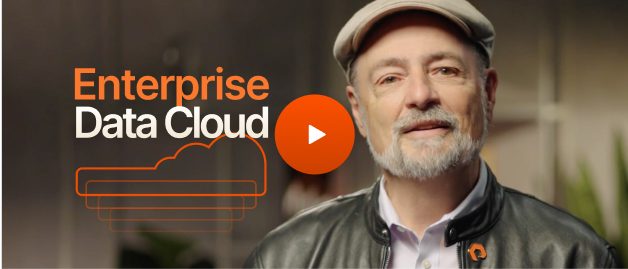
VIDEO
Bekijk: De waarde van een Enterprise Data Cloud
Charlie Giancarlo over waarom het beheren van data en niet opslag de toekomst zal zijn. Ontdek hoe een uniforme aanpak de IT-activiteiten van bedrijven transformeert.

RESOURCE
Legacy-storage kan de toekomst niet aandrijven.
Moderne workloads vragen om AI-ready snelheid, beveiliging en schaalbaarheid. Is uw stack er klaar voor?
Personalize for Me