Dismiss
Inovação
Uma plataforma criada para IA
Unificado, automatizado e pronto para transformar dados em inteligência.
Dismiss
16-18 juni, Las Vegas
Pure//Accelerate® 2026
Ontdek hoe u de ware waarde van uw gegevens kunt ontsluiten.
What Is Enterprise File Sharing?
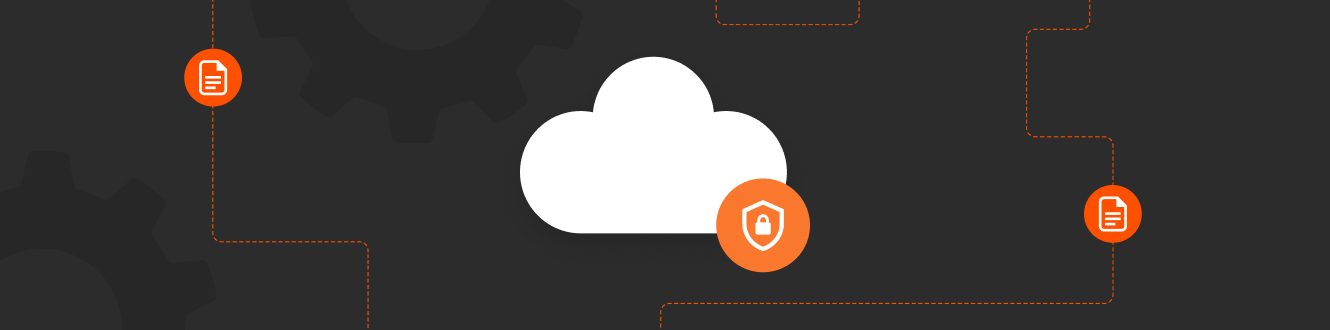
In an enterprise environment, file sharing typically spans multiple locations, departments, and potentially thousands of employees. An enterprise file sharing solution makes the process of file creation and collaboration more efficient and more secure. Instead of users passing files back and forth by email, a single copy of a document lives in a centralized location where multiple users can create, edit, and review content.
How Enterprise File Sharing Works
In a small office, passing around a file on a shared drive or by email is common, but it’s cumbersome and inefficient in a larger organization where dozens of people may need to comment and make revisions. Enterprise file sharing solves this problem by centralizing a single document and allowing multiple users to edit and create content. The owner of the document has security options that enable them to limit who can make changes and who can only view content. Administrators can track changes and access requests to audit file sharing usage.
Key Features of Enterprise File Sharing
Sharing files via email isn’t efficient or scalable, especially as teams and file sizes grow, so enterprise file sharing brings greater scalability to an organization. Documents are stored in a centralized location, usually the cloud, but sometimes on premises. A few key features of enterprise file sharing include:
- Security controls: Set access permissions, including read‑only access, to protect documents from unwanted edits. Audit changes and link user network credentials with authorized file access.
- Change tracking: See who changed a file, what they changed, and when.
- Commenting: Share revision requests, ask questions, and discuss updates directly in the file.
- Ease of use: Organize content in folders and share them with teams or departments to simplify sharing and collaboration.
- Real-time collaboration: Provide real-time feedback, edits, and comments on shared files.
Benefits of Enterprise File Sharing
By centralizing document revisions and comments, organizations avoid having duplicate files that could contain disparate changes. The tracking system lets the owner of the document reject changes or roll back changes to a previous version. Version control lets document owners roll back to a specific date to eliminate significant changes that could take hours to remove.
Enterprise file sharing offers better security compared to older sharing strategies by limiting user permissions. The owner has full control of the document and can give other users editor permissions so that they can also make changes. Changes are tracked, so an audit of file edits can be reviewed in the future.
Users with read-only permissions can still add comments and ask questions. Comments can be sent directly to another user’s inbox so they can respond more easily. However, only users with editor permissions can make edits. This streamlines the document creation process while still allowing multiple users to review its progress and contribute feedback.
Security Considerations in Enterprise File Sharing
When users share files via email, your attack surface expands. Unencrypted emails can be eavesdropped on, and occasionally, users send messages to the wrong recipient. The document could contain private corporate details, including customer data. Enterprise file sharing eliminates this concern with its own security features.
Let’s say that a user accidentally sends a link to a shared file to the wrong recipient. The recipient would be unable to view the file’s content if they don’t have the appropriate permissions. File owners can also revoke access to a file at any time. For example, if an employee leaves the company, they would lose access when their account is disabled. The centralized security features in enterprise file sharing reduce the chance of accidentally disclosing sensitive information to a third party.
Organization administrators must manage permissions to keep files safe from unauthorized access. If a user’s account isn’t disabled after the employee leaves the company, they could potentially still access the file. The biggest security concern is to ensure that user accounts are onboarded and then offboarded when employees leave the company or change roles.
How to Choose the Right File Sharing Solution
Choosing the right file sharing solution involves determining your goals, auditing the features users need to stay productive, and identifying the number of users across the organization. Any organization that works in the cloud needs enterprise-tier security. Large enterprises need an efficient way to manage user accounts, like centralized user controls and auditing tools, to stay compliant.
What you want to do with file sharing is also important in the decision-making process. If you want to make presentations for business meetings, you need a system that allows for slideshows, images, and text effects. Choose a solution that has all of the features and document creation tools that you need for productivity.
All enterprise sharing solutions should also allow for scalability. Check the documentation to see how many users the solution supports. For example, a solution might be labeled as “enterprise,” but only support 1,000 users. This solution would not support larger organizations with tens of thousands of users.


Conclusion
There are several enterprise file sharing solutions to choose from. Ensure the one you decide to integrate into your environment has all the features necessary for your business. Security, scalability, collaboration tools, file organization, and ease of management are just a few that could benefit your enterprise.
When you need secure, high-performance data storage for your enterprise file sharing, check out Everpure FlashArray™ and FlashBlade®.
Também recomendamos…
Confira os principais recursos e eventos
FEIRA DE NEGÓCIOS
Pure//Accelerate® 2.026
June 16-18, 2026 | Resorts World Las Vegas
Prepare-se para o evento mais valioso do ano.
DEMONSTRAÇÕES SOBRE O PURE360
Explore, conheça e teste a Everpure.
Acesse vídeos e demonstrações sob demanda para ver do que a Everpure é capaz.

VÍDEO
Assista: O valor de um Enterprise Data Cloud.
Charlie Giancarlo sobre o por que de gerenciar dados — e não o armazenamento — é o futuro. Descubra como uma abordagem unificada transforma as operações de TI corporativas.

RECURSO
O armazenamento legado não pode potencializar o futuro.
Cargas de trabalho avançadas exigem velocidade, segurança e escala compatíveis com a IA. Sua pilha está pronta?
Personalize for Me