Dismiss
Innovations
Everpure Simplifies Enterprise AI with Evergreen//One for AI and Data Stream Beta
Accelerate the transition from pilot to production with benchmark-proven performance, automated data pipelines, and a flexible consumption model.
Dismiss
June 16-18, Las Vegas
Pure Accelerate 2026
Discover how to unlock the true value of your data.
Dismiss
Innovation
A platform built for AI
Unified, automated, and ready to turn data into intelligence.
What Is a Computer Room Air Conditioner (CRAC) Unit?
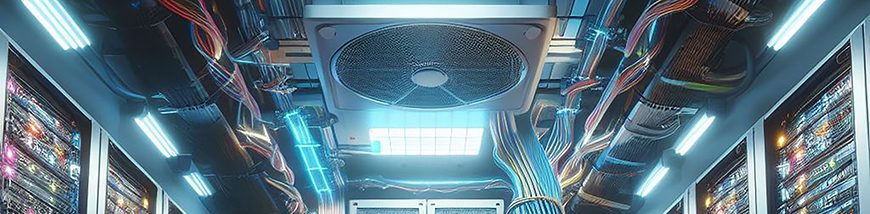
As data continues to grow, data centers have to increase capacity, too. Adding more racks to data centers requires more power to keep them cool and keep things up and running. This has environmental impact, which has led to various next-gen cooling techniques and technologies. Among those is the computer room air conditioner (CRAC) unit, an essential component for ensuring optimal conditions for the intricate web of servers and electronic equipment.
In this article, we’ll delve into CRAC units; explore their functions, components, features, and benefits; and provide insights into choosing the right unit; plus tips for installation and maintenance.
What Is a Computer Room Air Conditioner (CRAC) Unit?
A CRAC unit is a specialized air conditioning system designed to regulate temperature, humidity, and air quality within computer rooms. Unlike regular air conditioners, CRAC units are tailored to the specific requirements of data centers, where precise environmental control is paramount.
All power consumed in a data centre is ultimately converted to heat, and the amount of cooling needed (and its energy consumption) will be directly correlated to the power consumption (and heat production) of servers, networking, and storage.
Maintaining stable temperature and humidity levels is crucial for preventing overheating, condensation, and corrosion within sensitive electronic components, ensuring uninterrupted operation.
Components of a CRAC Unit
Understanding the key components of a CRAC unit is vital to grasp its intricate cooling process. These units consist of essential elements:
- Compressors: Pump refrigerant through the system
- Condensers: Release heat generated during the cooling process
- Evaporators: Cool and dehumidify the air
- Air filters: Remove impurities and enhance air quality
Regular maintenance of these components is essential to ensure optimal performance and longevity of the CRAC unit.
Features and Benefits of CRAC Units
By maintaining precise environmental conditions, CRAC units contribute to improved equipment performance, reduced downtime, and enhanced energy efficiency. CRAC units come with a plethora of features designed to deliver these benefits and meet the unique demands of data centers. These include:
- Temperature control
- Humidity regulation
- Airflow management
The ability to adapt to varying loads and conditions makes CRAC units indispensable for data centers striving for seamless and efficient operations.
Choosing the Right CRAC Unit
By choosing the right CRAC unit tailored to specific needs, data centers can optimise their cooling infrastructure, ensuring the longevity and efficiency of their electronic equipment. Selecting an appropriate CRAC unit involves careful consideration of various factors:
- Room size
- Cooling capacity
- Noise levels
- Energy efficiency ratings
- Maintenance requirements
- Ventilation considerations
Installation and Maintenance of CRAC Units
Proper installation and regular maintenance are the cornerstones of ensuring CRAC units operate at peak efficiency.
A step-by-step approach to installation could include:
Step 1: Planning and Preparation
Before you begin, carefully plan the installation process. Measure the dimensions of the room to ensure the CRAC unit fits properly and assess the power requirements to determine the appropriate electrical setup. Adhere to manufacturer guidelines and local regulations, as well.
Step 2: Positioning the CRAC Unit
Place the CRAC unit in an optimal, central location within the computer room to ensure even distribution of cooled air.
- Elevate the unit: Install the CRAC unit on an elevated platform to prevent water damage in case of leaks or spills.
- Provide adequate clearance: Ensure there is enough space around the unit for proper airflow and easy access for maintenance. Refer to the manufacturer's guidelines for specific clearance requirements.
Step 3: Electrical Connections
It’s crucial to have a professional electrician handle the electrical connections to ensure compliance with local regulations and safety standards.
- Install a dedicated circuit: The CRAC unit should be connected to a dedicated electrical circuit to prevent overloading existing circuits. Follow the manufacturer's specifications for the required voltage and current.
- Use appropriate wiring: Use high-quality, properly insulated wiring for the electrical connections, ensuring there are no exposed wires that could lead to electrical hazards.
Step 4: Ventilation Considerations
Ensure the room where the CRAC unit is installed has proper ventilation to allow the exchange of air. Stagnant air can affect the cooling efficiency of the unit.
- Install ductwork if necessary: If the CRAC unit requires ductwork for air intake or exhaust, install it properly to direct airflow where needed. Seal any gaps in the ducts to prevent air leaks.
- Consider external ventilation options: If the computer room does not have sufficient ventilation, consider installing external fans or vents to facilitate air exchange. Consult with HVAC professionals if necessary.
Step 5: Testing and Calibration
After the installation is complete, perform a test run of the CRAC unit to ensure it’s functioning correctly. Check for any unusual noises, vibrations, or leaks. If necessary, calibrate temperature and humidity settings:
- Use appropriate tools to measure the temperature and humidity levels within the room.
- Adjust the CRAC unit settings to achieve the desired conditions specified for the data centre.
Step 6: Regular Maintenance and Monitoring
Establish a maintenance schedule: Develop a regular maintenance routine that includes tasks such as cleaning filters, inspecting coils, and checking refrigerant levels. Refer to the manufacturer's guidelines for specific maintenance requirements.
- Monitor performance: Implement a monitoring system to keep track of the CRAC unit's performance, including temperature and humidity levels. Set up alerts for any deviations from the desired conditions to address issues promptly.
- Plan regular maintenance: Perform tasks such as filter cleaning, coil inspection, and refrigerant checks. Scheduled maintenance not only prolongs the lifespan of the CRAC unit but also guarantees consistent and reliable environmental control within the data centre.
Upgrading Storage to Offset Cooling Is the Path to Greater Data Centre Efficiency
CRAC units are just one way to ensure data centers remain steady and efficient. Strategies like hot and cold aisles, the use of airflow economizers, locating data centers in colder climes, and general airflow improvement methods can help to reduce cooling costs without putting data centre equipment at risk. But ultimately, the answer for overall power reduction is by starting with more efficient data storage.
Moving to high-density storage infrastructure, combined with the use of data reduction technologies like compression and deduplication, can significantly reduce acquisition costs and energy and floor space consumption.
Everpure technology requires less power and cooling, helping data centers reduce environmental impact and helping enterprises reduce carbon footprints in the face of exponential growth. Our storage devices, called DirectFlash® Modules (DFMs), deliver a storage density two to three times better and consume from 39% to 54% fewer watts per terabyte than our closest competitors today.
Read on to learn how to reduce the carbon footprint of your data centre with the world’s first energy efficiency SLA.
We Also Recommend...
Browse key resources and events

TRADESHOW
Pure Accelerate 2026
June 16-18, 2026 | Resorts World Las Vegas
Get ready for the most valuable event you’ll attend this year.
PURE360 DEMOS
Explore, learn, and experience Everpure.
Access on-demand videos and demos to see what Everpure can do.

VIDEO
Watch: The value of an Enterprise Data Cloud
Charlie Giancarlo on why managing data—not storage—is the future. Discover how a unified approach transforms enterprise IT operations.

BLOG
What’s in a Net Promoter Score?
For nine consecutive years, Everpure has maintained a Net Promoter Score of over 80. Find out how we did it and what it means for our customers.
Personalize for Me