Dismiss
Innovations
Everpure Simplifies Enterprise AI with Evergreen//One for AI and Data Stream Beta
Accelerate the transition from pilot to production with benchmark-proven performance, automated data pipelines, and a flexible consumption model.
Dismiss
June 16-18, Las Vegas
Pure Accelerate 2026
Discover how to unlock the true value of your data.
Dismiss
Innovation
A platform built for AI
Unified, automated, and ready to turn data into intelligence.
What Is a VDI Workspace?
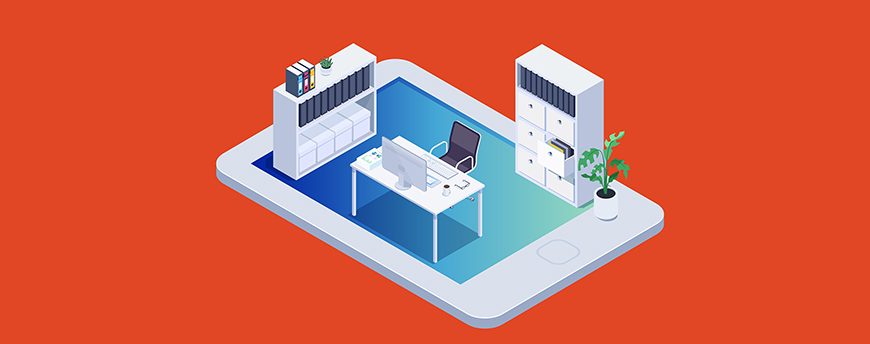
To save on computer expenses and secure user workstations, a virtual desktop infrastructure (VDI) workspace offers a virtual workstation interface for all corporate users where they can perform their daily job function in a virtual environment that looks and feels like a standard desktop. A user can access all the applications necessary for their job function from any device, including a thick client at the local office or their mobile device while traveling.
What Is a VDI Workspace?
A VDI workspace is a virtual desktop environment that runs on a central server and can be accessed remotely over a network by users from any device. Because the operating system, applications, and user data are all hosted and managed by the central server, IT administrators can control access, security, and policies for end users, protecting company data, systems, and software.
Why Use a VDI Workspace?
A VDI workspace allows users to access their desktop environment and work from anywhere, on any device, as long as they have an internet connection. This makes it a useful solution for remote work, as users can access their work environment without needing to physically be in the office.
With a basic workstation desktop, a user turns on their computer, the operating system loads, and all applications run on the local machine. Data can be stored on the local machine or a network storage device, but applications and the operating system run on the local machine.
VDI workspaces put all applications in the cloud on a central server. Applications no longer run on the local machine, and users view their applications on a virtual interface. A VDI workspace looks and feels like a standard desktop, but it’s actually a virtual environment. For businesses, a VDI offers more flexible user environments, better security, and convenient central management.
How Does a VDI Work?
Users can access a VDI from any device provided that they have internet access. When the user turns on a thick client or accesses their work environment from a mobile device, a client starts a connection with the central server. The central server creates a session, and the virtual environment loads the user’s operating system, applications, and data.
Remote access provides at-home employees, on-site employees, traveling employees, and other vendors or contractors a secure virtual environment for any authorized applications and data. Administrators configure the virtual environment from a central server, so they have more control of installations and data access. The benefit for businesses is that they have a centralized virtual environment for all employees without the need to install applications for every newly onboarded user or secure applications on the employee’s device.
VDI supports persistent and non-persistent sessions. Most businesses work with persistent VDIs where user data and settings are preserved when they sign out. Non-persistent VDI sessions do not preserve user settings and data, so they’re lost after the user signs off. A Remote Desktop Session (RDS) is not necessary for VDI. RDS is a different environment and requires the Windows Server operating system.
What Is the Difference between VDI and RD?
Remote Desktop (RD) is an alternative to VDI, but it’s usually not a viable option when you have several users that need to work with a standard desktop. VDI runs an operating system on a remote server and looks and feels like a standard desktop to a user. Just like a workstation, users can customize their desktops in a VDI environment and configure their session as if they’re working on a local machine.
An RD environment requires a Windows Server, and users remotely access a shared virtual machine on the server. Because it requires Windows Server, RD is not viable for businesses that want to use other operating systems or give users access to a standard desktop Windows environment. Users share a desktop, or administrators can give them access to specific applications with RD, but they cannot customize it to their own preferences.
What's the Difference between a VDI and VDA Workspace?
As with any software, you need to buy a license to use it. Most software developers charge per seat, and Virtual Desktop Access (VDA) is necessary to legally deploy a VDI environment. With VDA, organizations are required to buy a license for each device accessing the VDI environment. For example, if you have 10 thick clients and 10 remote users with laptops, you need 20 VDA licenses.
Larger organizations with other enterprise licenses with Microsoft might have VDAs included with their agreements. For example, Microsoft Software Assurance agreements might include VDA licenses, so organizations would only need to purchase a VDA for each personal device accessing the VDI environment. Check your license agreement to ensure that you’re in compliance with regulations.
Are VDIs and VMs the Same Thing?
A virtual machine is what makes VDI possible. Using hypervisor technology, virtual machines allow businesses to run several operating systems and virtual environments on a single physical machine. Windows and Linux virtual machines are possible, and a VDI environment runs in a virtual environment too. VDI runs in a virtual environment but transfers desktop images to endpoints where users can interact with their desktop as if it’s a local workstation.
VDI environments offer a workstation interface for users. Employees can use their personal mobile devices, but they still see a virtual desktop when they authenticate into their business VDI environment. Users can also access their virtual workstation from anywhere, and the workstation is safe from numerous cybersecurity threats common with physical remote devices.
VMware VDI and Citrix VDI
The two main vendors in the VDI industry are VMware and Citrix. Both vendors offer a stable, feature-rich VDI environment, but the main difference is in the hypervisor supported. Hypervisor is a technology necessary for hosting virtual machines. Citrix supports several hypervisor applications, including solutions from Azure, AWS, Oracle, and Google Cloud. For organizations without access to any of these hypervisor solutions, Citrix Hypervisor is also available.
The VMware suite of VDI tools has the same administrator controls and provisioning capabilities as Citrix VDI, but organizations must use VMware ESXi to work with the solution. Both VMware and Citrix support persistent and non-persistent instances, but the rest of the features are generally similar and offer many of the same security and controls.
Conclusion
Instead of buying several workstations for employees, VDI is an affordable and scalable solution. Administrators can easily add users and their workstation environment from a central server, and users no longer need to worry about installing several applications on their own devices. If you have several remote users, a VDI environment can offer a more secure option and speeds up onboarding new users.
Looking for a VDI solution that is both simple and secure? Everpure has the enterprise VDI solutions you need to bring speed, resiliency, simplicity, and scalability to your VDI environment.
We Also Recommend...
Browse key resources and events
TRADESHOW
Pure Accelerate 2026
June 16-18, 2026 | Resorts World Las Vegas
Get ready for the most valuable event you’ll attend this year.
PURE360 DEMOS
Explore, learn, and experience Everpure.
Access on-demand videos and demos to see what Everpure can do.

VIDEO
Watch: The value of an Enterprise Data Cloud
Charlie Giancarlo on why managing data—not storage—is the future. Discover how a unified approach transforms enterprise IT operations.

RESOURCE
Legacy storage can’t power the future
Modern workloads demand AI-ready speed, security, and scale. Is your stack ready?
Personalize for Me