Dismiss
Innovations
Everpure Simplifies Enterprise AI with Evergreen//One for AI and Data Stream Beta
Accelerate the transition from pilot to production with benchmark-proven performance, automated data pipelines, and a flexible consumption model.
Dismiss
June 16-18, Las Vegas
Pure Accelerate 2026
Discover how to unlock the true value of your data.
Dismiss
Innovation
A platform built for AI
Unified, automated, and ready to turn data into intelligence.
What are Smart Cities?
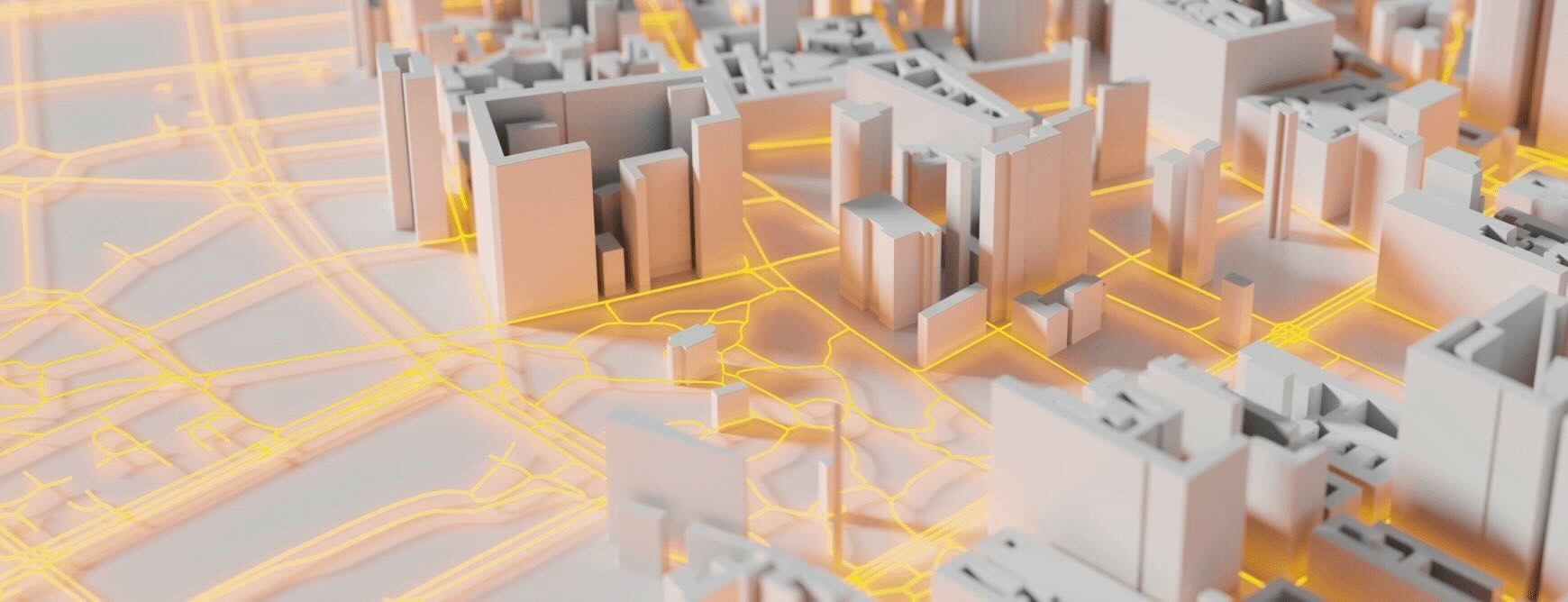
A smart city is one that actively pursues the use of new technologies to improve city services and meet goals in areas such as sustainability, public health, and city planning.
In recent years, as technologies such as advanced communications networks, data collection and analysis, and connected devices have become more common, city governments have gained fresh visibility into how their cities are functioning. They’ve also gained new ways to respond to urgent issues and citizen needs in real time while they also plan for the future.
While the “city” in smart cities refers to city governments, smart city solutions are collaborations that are usually designed and built by innovators from the private sector. In some cases, in addition to adding intelligent technology to their own assets, city governments may seek best practices with which to inform regulations or incentives for the private sector.
While many cities have used isolated smart city functions for many years (in traffic control, for example), a hallmark of today’s smart cities is the unification of the systems and their data to find deeper solutions to problems and achieve a more holistic view of cities and their challenges.
The Role of Data in Smart Cities
Data is the essential raw material involved in nearly all smart city technologies. In some cases, these systems depend on the collection and analysis of very large amounts of data that is sent to the cloud. In other cases, data must be kept accessible for real-time use, so a variety of storage strategies and hardware are needed.
Elements of Smart City Systems
Smart city systems can be comprised of:
- Connected cameras and sensors that measure variables and produce the data streams needed to define actions and support decision-making. These endpoints might be visual, environmental, or based on network use.
- Connected infrastructure such as internet of things (IoT) devices that can both produce data and receive instructions in real time.
- Data storage that receives, aggregates, and stores the enormous amounts of data produced by the endpoints.
- Applications that work with the data to define responses and produce insights.
- Real-time response in the form of actions or direct communication with citizens that leverages the insights to make changes or provide information that can improve quality of life.
Uses of Smart City Technology
New smart city solutions continue to emerge as technology evolves but can include:
- Waste management: Sensors in trash and recycling receptacles can transmit their status and send an alert when the bin needs emptying.
- Traffic and transit: Data collected about traffic or people is monitored in real time and used to direct traffic controls or transit schedules.
- Air quality: Sensors provide real-time data on air quality to identify patterns and problem areas.
- Location analytics: Together, data and maps synergize to produce powerful, geographically based insights on city operations, the movement of people and goods, and environmental hazards.
- Digital twins: A digital twin is a detailed virtual model of a city, with all of its data points updated in real time, just like the actual city. This is a fairly new technology for cities, but it’s already showing promise as an especially helpful tool for viewing city operations on a high level and performing predictive analysis.
Test Drive FlashBlade
No hardware, no setup, no cost—no problem. Experience managing an Everpure FlashBlade, the industry's most advanced solution delivering native scale-out file and object storage.
Benefits to Cities and Society at Large
Smart city technologies promise improvements in the following areas:
- Sustainability: This is probably the number one goal of smart city systems: more efficient use of energy, resources, and city services.
- Public health: Cities can use data and analytics to identify at-risk areas and populations and direct interventions accordingly. Cities can also use those insights to inform long-term planning that prioritizes health and wellness.
- Digital equity: The smart city movement can help close the digital divide in several ways: using network sensing to identify areas where connectivity is lacking; physical infrastructure that can be used to deploy public wifi networks; and funding initiatives that include targeted allocations to help bring connectivity to underserved areas.
- Transportation: Data from cameras and speed sensors can be used to observe patterns and predict congestion, with the goals of shortening commute times, reducing air pollution, and optimizing public transit.
- Public safety: Connected citizens can function as data contributors by providing feedback, and cities can push out alerts and instructions to them as part of incident response. Location analytics with smart city data can inform crime reduction strategies.
- Economic development: Cities that implement smart city systems will have a competitive advantage in attracting residents and businesses because they’re striving to improve the quality of life for citizens today and into the future.
Challenges in Implementing Smart City Technologies
As digital solutions demonstrate their value, cities are clamoring to add them. However, political, budgetary, and technical challenges remain.
Many public advocates have raised concerns about privacy, surveillance, and the potential for misuse of data. These concerns must be addressed if smart city systems are to gain public trust and win wide acceptance. City budgets are always tight, and cities have layers of bureaucracy and compliance that must be managed if smart city initiatives are to move forward.
Many smart city systems depend on ubiquitous high-speed connectivity, often 5G. However, the 5G rollout is a massive, years-long effort that is only partly completed.
Address Challenges of Smart Cities with Everpure
Smart cities are helping their citizens live healthier, happier lives. Data drives the changes that cities seek, such as sustainability, digital equity, and improved public health. Smart cities collect massive amounts of data that must be stored, secured, and easily accessed when needed.
To help manage data for smart cities, Everpure offers several solutions, including:
FlashBlade®: The world’s leading unified fast file and object (UFFO) platform. It’s ideally suited for analytics, machine learning, artificial intelligence, and similar edge data processes. The high density, low power consumption, and easy remote management of FlashBlade makes it ideal for deployments at edge locations.
We Also Recommend...
Browse key resources and events

TRADESHOW
Pure Accelerate 2026
June 16-18, 2026 | Resorts World Las Vegas
Get ready for the most valuable event you’ll attend this year.

PURE360 DEMOS
Explore, learn, and experience Everpure.
Access on-demand videos and demos to see what Everpure can do.

VIDEO
Watch: The value of an Enterprise Data Cloud
Charlie Giancarlo on why managing data—not storage—is the future. Discover how a unified approach transforms enterprise IT operations.

BLOG
What’s in a Net Promoter Score?
For nine consecutive years, Everpure has maintained a Net Promoter Score of over 80. Find out how we did it and what it means for our customers.
Personalize for Me