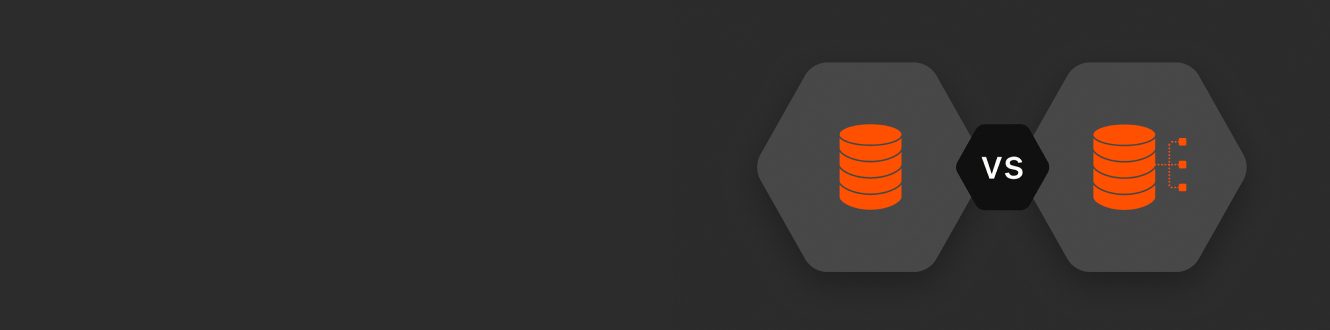
Ein Datenbankmanagementsystem (DBMS) ist jede Art von System, das Daten speichern und abrufen kann. DBMS-Anwendungen können jede Art von Storage-Strategie nutzen, einschließlich Dateien. Ein relationales Datenbankmanagementsystem (RDBMS) speichert Daten speziell in einem tabellarischen Format, hauptsächlich in Tabellen. RDBMS-Systeme haben zwar strenge Einschränkungen bei der Art und Weise, wie sie Informationen speichern, sind aber für die Organisation und Abfrage von Daten von Vorteil.
Definition eines DBMS
Ein RDBMS ist eine Art von DBMS, während ein DBMS ein Oberbegriff ist, der verwendet wird, um jedes System zu beschreiben, das Daten speichert, einschließlich Open-Source-Datenbanken. Benutzer erhalten eine grafische Oberfläche zum Bearbeiten, Hinzufügen und Überprüfen von Daten. Mainframes, relationale Datenbanken und NoSQL-Datenbanken sind nur einige Beispiele für ein DBMS.
Dateien, die so organisiert sind, dass sie abgefragt werden können, können auch ein DBMS darstellen. Ein DBMS ist jedes Storage-System, das Informationen so organisiert, dass sie später abgefragt und bearbeitet werden können. Jede DBMS-Anwendung hat ihre eigene Art, Daten so zu organisieren, dass sie bei Abfragen effizient mit der Performance sind. Allerdings kann nicht jedes DBMS große Datenmengen verarbeiten, ohne an Geschwindigkeitseinbußen zu leiden.
Definition eines RDBMS
Ein RDBMS ist eine Form des Datenbankmanagementsystems, ist jedoch spezifisch für die Art und Weise, wie das Managementsystem Daten speichert. RDBMS-Anwendungen verwenden Tabellen zum Speichern von Daten, wobei jede Spalte den Datentyp und das, was in jedem Datensatz gespeichert ist, definiert. Jeder Datensatz wird als Zeile dargestellt. Die meisten Tabellendesigner begrenzen die Anzahl der Spalten in einer Tabelle, aber eine Tabelle kann Millionen von Zeilen enthalten.
Benutzer fragen die Datenbank mithilfe der Structured Query Language (SQL) ab, der Sprache für die meisten relationalen Datenbanken. SQL weist je nach Datenbank-Engine, die Daten speichert, geringfügige Unterschiede auf, aber SQL ist im Allgemeinen die gleiche Syntax für alle Datenbanken. Um Abfragen zu beschleunigen, müssen Administratoren Indizes in Spalten verwenden, die häufig in Abfragefiltern verwendet werden. Primärschlüssel werden verwendet, um zwischen Datensätzen zu unterscheiden, und verwandte Daten zwischen Tabellen werden mithilfe von Joins und Fremdschlüsseln verknüpft.
Hauptunterschiede zwischen einem DBMS und einem RDBMS
Der Hauptunterschied zwischen einem DBMS und einem RDBMS besteht darin, wie Daten gespeichert werden. Ein RDBMS verwendet speziell Tabellen, und die meisten relationalen Datenbanken auf dem Markt verwenden ihre eigene Strategie zum Speichern und Abrufen von Daten. Administratoren, die mit einem RDBMS vertraut sind, haben eine kleine Lernkurve, um mit einem anderen zusammenzuarbeiten. Sie alle verwenden Primärschlüssel, Tabellen und Indizes, um Abfragen zu beschleunigen.
DBMS ist eher ein Oberbegriff und kann verwendet werden, um jedes einfache oder komplexe Datenbanksystem zu beschreiben. Ein RDBMS verwendet beispielsweise Tabellen zum Speichern von Daten, während ein DBMS einfache Dateien verwenden kann. Anstelle von Primärschlüsseln können Dateien in diesem Beispiel einfach eine eigene zufällig generierte eindeutige Zeichenfolge für einen Namen haben. Die Art und Weise, wie ein DBMS Daten verwaltet, hängt von der Engine ab, während ein RDBMS Daten immer in Tabellen speichert.
Anwendungsfälle für DBMS
Jede Branche kann ein DBMS verwenden, aber die Wahl des richtigen – einschließlich eines RDBMS – hängt von der Anwendung ab. Banken können beispielsweise ein DBMS verwenden, um Finanzdaten zu organisieren oder gescannte PDFs für Verbraucherkredite zu speichern. DBMS-Anwendungen skalieren gut und können riesige Datenmengen verarbeiten, solange Administratoren wissen, wie sie für die Performance konfigurieren und Abfrage-Frontend-Anwendungen für Benutzer einrichten können.
Unstrukturierte, größere Datensilos, die in Analysen verwendet werden, erfordern ein NoSQL-DBMS. Nehmen wir beispielsweise an, Sie möchten eine Liste von Webseiten von Websites von Wettbewerbern abscrapieren und sie zu Marketingzwecken und zur Lückenanalyse analysieren. Ein NoSQL DBMS würde die Daten speichern, ohne sie auf eine bestimmte Spalte zu beschränken. Ein NoSQL-DBMS wird oft verwendet, wenn Sie sich nicht sicher sind, welche Art und Größe von Daten Sie speichern müssen.
Anwendungsfälle für RDBMS
Relationale Datenbanken sind viel älter als NoSQL-DBMS-Anwendungen. Bei der Auswahl einer Datenbank müssen Sie wissen, welche Art von Daten Sie speichern möchten. Ein E-Commerce-Shop kann beispielsweise mit einem RDBMS zusammenarbeiten, um Kundendaten, Bestelldaten, Produkte und Benutzerpräferenzen zu speichern. Sofern Administratoren Tabellen ordnungsgemäß konfigurieren, Abfragen Millionen von Datensätzen innerhalb von Millisekunden filtern und einen Datensatz an Benutzer zurückgeben.
MySQL, SQL Server und Oracle sind einige Beispiele für RDBMS-Technologie, die gängige Unternehmensanwendungen unterstützt. WordPress-Software läuft beispielsweise auf MySQL. Wenn Sie jedes Datenelement in eine Spalte mit einem bestimmten Datentyp einfügen können, können Sie ein RDBMS für den Storage und eine gemeinsame SQL-Abfragesyntax verwenden. Die Lernkurve für ein RDBMS ist ebenfalls kleiner, lässt sich aber gut für wachsende Geschäftsanwendungen skalieren.