Dismiss
Innovación
Una plataforma diseñada para la IA
Unificada, automatizada y preparada para convertir los datos en inteligencia.
Dismiss
16-18 de junio, Las Vegas
Pure//Accelerate® 2026
Descubra cómo extraer el verdadero valor de sus datos.
DBMS frente a RDBMS
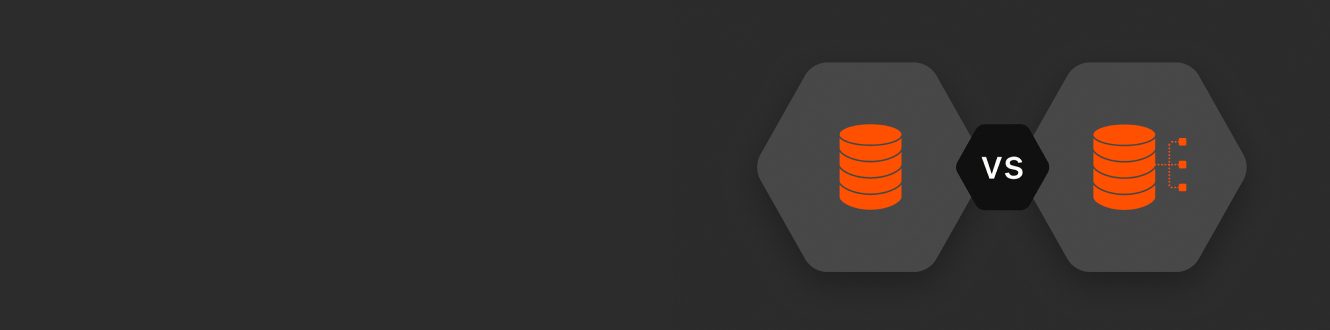
Un sistema de gestión de bases de datos (DBMS) es cualquier tipo de sistema que puede almacenar y recuperar datos. Las aplicaciones DBMS pueden usar cualquier tipo de estrategia de almacenamiento, incluidos los archivos. Un Relational Database Management System (RDBMS) almacena los datos específicamente en un formato tabular, principalmente tablas. Si bien los sistemas RDBMS tienen unas limitaciones estrictas en la manera de almacenar la información, son beneficiosos para organizar y consultar los datos.
Definición de DBMS
Un RDBMS es un tipo de DBMS, mientras que un DBMS es un término paraguas que se utiliza para describir cualquier sistema que almacena datos, incluidas las bases de datos de código abierto. Se muestra a los usuarios una interfaz gráfica para editar, añadir y revisar los datos. Los mainframes, las bases de datos relacionales y las bases de datos NoSQL son solo algunos ejemplos de DBMS.
Los archivos organizados de un modo que se puede consultar también pueden representar un DBMS. Un DBMS es cualquier sistema de almacenamiento que organiza la información de una manera que más tarde puede consultarse y editarse. Cada aplicación DBMS tiene su propia manera de organizar los datos de una manera que hace que sea eficiente con el rendimiento durante las consultas. Sin embargo, no todos los DBMS pueden manejar grandes cantidades de datos sin sufrir una degradación de la velocidad.
Definición de un RDBMS
Un RDBMS es una forma de sistema de gestión de bases de datos, pero es específico de la manera en que el sistema de gestión almacena los datos. Las aplicaciones RDBMS utilizan tablas para almacenar datos, en las que cada columna define el tipo de datos y lo que se almacena en cada registro. Cada registro se representa como una fila. La mayoría de los diseñadores de tablas limitan el número de columnas de una tabla, pero una tabla puede contener millones de filas.
Los usuarios consultan la base de datos usando el lenguaje de consulta estructurado (SQL), que es el lenguaje de la mayoría de las bases de datos relacionales. SQL tiene pequeñas diferencias en función del motor de base de datos que almacena los datos, pero SQL suele ser la misma sintaxis en todas las bases de datos. Para acelerar las consultas, los administradores deben usar índices en columnas que se utilizan comúnmente en los filtros de consulta. Las claves primarias se utilizan para distinguir entre registros y los datos relacionados entre tablas se vinculan mediante uniones y claves externas.
Diferencias clave entre un DBMS y un RDBMS
La diferencia clave entre un DBMS y un RDBMS es el modo en que se almacenan los datos. Un RDBMS utiliza específicamente tablas y la mayoría de las bases de datos relacionales del mercado utilizan su propia estrategia para almacenar y recuperar datos. Los administradores familiarizados con un RDBMS tendrán una pequeña curva de aprendizaje para trabajar con otro. Todos usan claves, tablas e índices primarios para acelerar las consultas.
DBMS es más bien un término paraguas y puede usarse para describir cualquier sistema de base de datos simple o complejo. Por ejemplo, un RDBMS utiliza tablas para almacenar datos, mientras que un DBMS puede usar archivos sencillos. En lugar de las claves primarias, los archivos de este ejemplo simplemente pueden tener su propia cadena única generada aleatoriamente para un nombre. El modo en que un DBMS gestiona los datos depende del motor, mientras que un RDBMS siempre almacena los datos en tablas.
Casos de uso para DBMS
Cualquier sector puede usar un DBMS, pero elegir el adecuado —incluido un RDBMS— depende de la aplicación. Por ejemplo, los bancos pueden usar un DBMS para organizar los datos financieros o almacenar los PDF escaneados para los préstamos al consumidor. Las aplicaciones DBMS se escalan bien y pueden manejar cantidades enormes de datos, siempre que los administradores sepan cómo configurar el rendimiento y configurar las aplicaciones front-end de consultas para los usuarios.
Los silos de datos más grandes y no estructurados que se usan en los análisis requieren un DBMS NoSQL. Por ejemplo, supongamos que quiere extraer una lista de páginas web de los sitios de la competencia y analizarlas con fines de marketing y análisis de brechas. Un DBMS NoSQL almacenaría los datos sin limitarlos a una columna específica. Un DBMS NoSQL suele usarse cuando no está seguro del tipo y el tamaño de los datos que necesita almacenar.
Casos de uso para RDBMS
Las bases de datos relacionales son mucho más antiguas que las aplicaciones DBMS NoSQL. Al seleccionar una base de datos, tendrá que saber el tipo de datos que planea almacenar. Por ejemplo, una tienda de comercio electrónico puede trabajar con un RDBMS para almacenar la información del cliente, los datos de los pedidos, los productos y las preferencias del usuario. Siempre que los administradores configuren las tablas correctamente, las consultas se filtran a través de millones de registros en milisegundos y devuelven un conjunto de datos a los usuarios.
MySQL, SQL Server y Oracle son algunos ejemplos de tecnología RDBMS que impulsa las aplicaciones empresariales populares. El software de WordPress, por ejemplo, se ejecuta en MySQL. Si puede colocar cada elemento de datos en una columna con un tipo de datos específico, puede usar un RDBMS para el almacenamiento y la sintaxis de consulta SQL común. La curva de aprendizaje de un RDBMS también es más pequeña, pero se escala bien para el crecimiento de las aplicaciones empresariales.


Ejemplos de DBMS
Los sistemas DBMS almacenan los datos como archivos, pero los datos suelen almacenarse en una jerarquía. Por ejemplo, tiene archivos almacenados en directorios de su ordenador y este sistema de archivos podría considerarse un DBMS. Si tiene Windows, el Registro de Windows podría considerarse un DBMS. Cada sección del registro se almacena en un directorio y las claves y los datos posteriores se almacenan en subdirectorios.
Las aplicaciones web también pueden almacenar datos en archivos, pero los datos están formateados para que la aplicación web los consuma y digiera. Los archivos XML o JSON son archivos de datos almacenados en un sistema DBMS. Por ejemplo, el servidor web almacena los archivos y los utiliza cuando un usuario envía un comando. El comando puede ser cambiar las preferencias del usuario y un archivo JSON almacena las preferencias actuales. La mayoría de los datos se almacenan en un RDBMS, pero estos casos de uso específicos son ejemplos de uso de archivos planos para almacenar datos sin un motor de base de datos back-end.
Ejemplos de un RDBMS
Los sistemas de gestión de bases de datos relacionales utilizan tablas para organizar los datos. Los motores de las bases de datos son más rápidos para consultar datos que para usar un sistema de archivos planos, por lo que son los preferidos para la mayoría de las aplicaciones. Algunas de las opciones populares de RDBMS son MySQL, PostGreSQL, Microsoft SQL Server y Oracle. Los datos de todas estas bases de datos se organizan en tablas y las tablas utilizan columnas comunes para vincularse entre sí. La mayoría de las aplicaciones web utilizan motores RDBMS. Incluso las aplicaciones con otros tipos de bases de datos utilizan RDBMS para los datos estructurados.
En una empresa, las bases de datos relacionales a menudo se distribuyen entre ubicaciones. Los datos pueden sincronizarse en ubicaciones como centros de datos para que las consultas sean más rápidas para los usuarios locales. Por ejemplo, si una empresa tiene aplicaciones que dan servicio a múltiples ubicaciones geográficas, las bases de datos pueden estar ubicadas en centros de datos locales para acelerar las solicitudes de los usuarios.
Conclusión
Una vez que elige una base de datos, es muy difícil cambiar a una solución diferente. El primer paso es determinar el tipo de datos que va a almacenar y luego averiguar qué base de datos es la más cómoda y eficiente para su aplicación. Recuerde que el DBMS es un término general, por lo que cualquier motor de base de datos que elija probablemente estará bajo el paraguas. Si necesita una solución de almacenamiento más organizada y rígida, un RDBMS puede ser la opción adecuada.
Además de elegir un motor de base de datos, también necesitará un lugar para almacenar sus datos. Los servicios en la nube de Everpure admiten aplicaciones de base de datos de nivel empresarial para empresas que necesitan un alto tiempo de actividad y soporte en la nube.
Te recomendamos...
Explore los recursos y eventos clave
FERIA COMERCIAL
Pure//Accelerate® 2026
June 16-18, 2026 | Resorts World Las Vegas
Prepárese para el evento más valioso al que asistirá este año.
DEMOS DE PURE360
Explore, aprenda y experimente Everpure.
Acceda a vídeos y demostraciones bajo demanda para ver lo que Everpure puede hacer.

VÍDEO
Ver: El valor de Enterprise Data Cloud.
Charlie Giancarlo explica por qué la gestión de los datos —y no del almacenamiento— es el futuro. Descubra cómo un enfoque unificado transforma las operaciones de TI de la empresa.

RECURSO
El almacenamiento tradicional no puede impulsar el futuro.
Las cargas de trabajo modernas exigen velocidad, seguridad y escala preparadas para la IA. ¿Su stack está listo?
Personalize for Me