Dismiss
Innovations
Everpure Simplifies Enterprise AI with Evergreen//One for AI and Data Stream Beta
Accelerate the transition from pilot to production with benchmark-proven performance, automated data pipelines, and a flexible consumption model.
Dismiss
June 16-18, Las Vegas
Pure Accelerate 2026
Discover how to unlock the true value of your data.
Dismiss
Innovation
A platform built for AI
Unified, automated, and ready to turn data into intelligence.
What Is Healthcare IT?
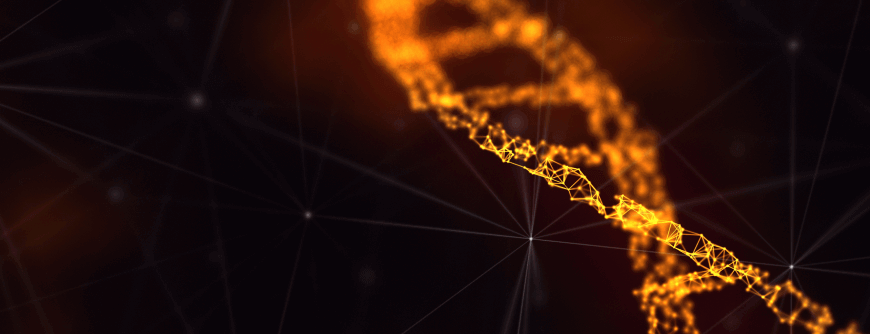
Healthcare IT, or healthcare information technology, refers broadly to the collection of technological tools and devices that make modern medicine possible. It covers all the computers, networks, storage devices, software, databases, and underlying infrastructure that make it possible for physicians, nurses, patients, government bodies, and insurance providers to work with, share, and make decisions together about healthcare.
Why Is Healthcare IT Important?
IT in healthcare is critical because hospitals, clinics, and other organizations essentially run on data. IT infrastructure is what allows these organizations to collect and manage that data, and use it to make accurate diagnoses, determine treatment plans, and achieve positive outcomes for patients.
Technology itself is revolutionizing healthcare. The entire industry is undergoing a journey of digital transformation, moving toward connected systems that accelerate and refine the ways caregivers and patients share and use information.
Healthcare data and its use are so important that in 2009, a federal law was created to incentivize and motivate healthcare organizations in their digital transformation. The Health Information Technology for Economic and Clinical Health Act (HITECH) earmarked billions of dollars in federal funding to “promote and expand the adoption of health information technology,” starting with electronic health records (EHRs).
Along with providing incentives for healthcare providers and insurance carriers to digitize health information and increase access, the HITECH Act also came with legal requirements and expectations surrounding the storage, sharing, and use of data. That’s because any time data is digitized and becomes more readily available to more people, risks of security breaches also increase.
Healthcare data, which includes highly personal and confidential patient information, is an incredibly valuable prize for hackers and other bad actors. In fact, healthcare cybersecurity breaches hit an all-time high last year, according to a recent article. Sensitive data on 45 million patients was illegally accessed in 2021, up from 34 million in 2020. In 2018, 14 million people were affected—so it’s clear that the problem is growing at an alarming rate.
Some Examples of Healthcare IT
The foundational tools and devices of healthcare IT are largely the same as those in any other IT setting, including routers, servers, networks, databases, and firewalls, as well as the skilled people to deploy and manage that infrastructure. It also includes specialized hardware and software that assist caregivers in their jobs and make the transmission, storage, and use of digital information as fast and secure as possible, including:
- EHRs
- Electronic prescription records and services
- Personal digital health records
- Interconnected hospital networks
- Health-related smartphone apps
- Connected devices and systems, such as laser-guided surgical tools
- Online patient applications for checking in, making appointments, etc.
- Medical imaging solutions such as picture-archival and communication systems (PACS) or Vendor Neutral Archive systems (VNA)
Healthcare IT can help shrink the distance between a patient and their health outcomes. For example, a patient can track their fitness and diet information in an app that’s connected to a smart wearable device that tracks their vitals. A nurse can set up a medical device that monitors a patient’s condition and helps contextualize changes in the patient’s vitals while providing oversight for an entire hospital wing. Or a prescription tracking tool can help caregivers prescribe the right medication and send that information automatically over networks to the patient’s insurance provider.
Healthcare IT Is Not Health Informatics
Because the terms are similar, some people can get confused about the difference between healthcare IT and healthcare informatics. They are not the same thing, though.
Healthcare IT refers to the digital collection, exchange, management, and use of health data. Healthcare informatics, on the other hand, deals with using and analyzing health data to improve outcomes and increase efficiency in healthcare organizations. Healthcare IT enables the field of informatics.
The Benefits of Healthcare IT
To begin with, the focus on healthcare IT has led organizations to digitize patient records. It’s never been easier for patients to find the healthcare providers that best serve their needs and move between offices, hospitals, and clinics quickly and without friction.
The easy sharing of EHRs also helps caregivers get paid more quickly by insurance providers because caregivers can more easily document the patient, service provided, and cost. A key benefit of healthcare IT is making patient records more manageable, portable, and accessible to everyone who needs them when they need them.
Digitized patient health information also means that doctors can access patient information in real time on any device. And it’s not just patient records that are digitized. Real-time health information can help doctors intervene before a health condition progresses too far. For instance, if a patient is wearing a device that reports their vitals as they go about their day, doctors and nurses can provide near-real-time recommendations to patients if a dangerous condition arises, wherever they are.
In addition to patient records and real-time biometrics, there’s great value in digitizing prescriptions. Doctors can transmit prescriptions electronically to pharmacists and insurance providers. Paired with a pharmacy application that automatically checks the new prescription against a patient’s history of medications, pharmacists can be alerted to any negative drug interactions or allergies before dispensing the medication.
Healthcare IT is all the tools, connected systems, and devices that gather and manage healthcare data—but it’s what healthcare IT enables and how far it reaches that makes its benefits so notable.
Browse key resources and events
TRADESHOW
Pure Accelerate 2026
June 16-18, 2026 | Resorts World Las Vegas
Get ready for the most valuable event you’ll attend this year.
PURE360 DEMOS
Explore, learn, and experience Everpure.
Access on-demand videos and demos to see what Everpure can do.
VIDEO
Watch: The value of an Enterprise Data Cloud
Charlie Giancarlo on why managing data—not storage—is the future. Discover how a unified approach transforms enterprise IT operations.

RESOURCE
Legacy storage can’t power the future
Modern workloads demand AI-ready speed, security, and scale. Is your stack ready?
Personalize for Me